In recent years, selection standards for pipeline connectors and fluid control components in overseas residential HVAC and commercial building plumbing projects have kept tightening. Updated requirements for drinking-water-contact materials, on-site construction safety codes and long-term pipeline reliability are driving changes across the whole pipe and fitting supply chain.
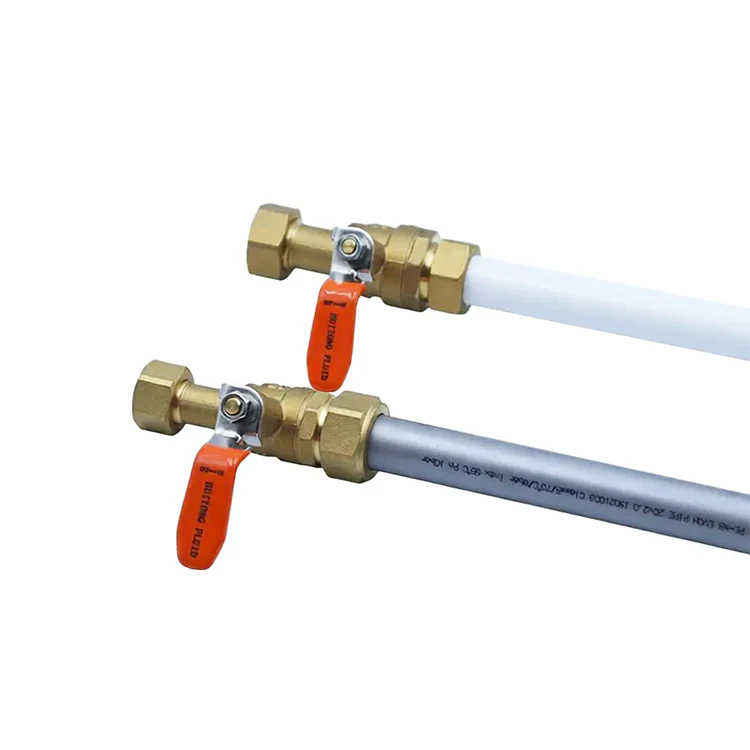
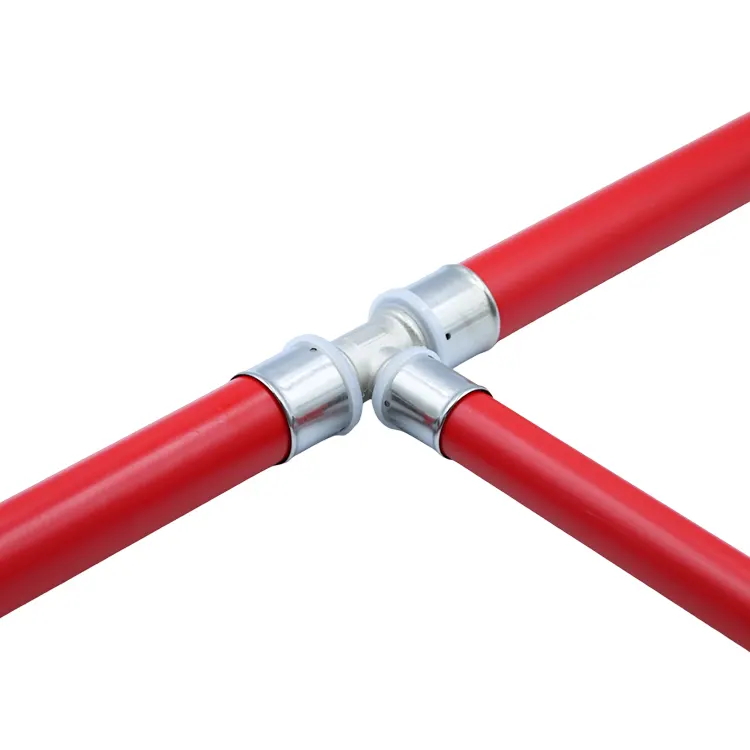
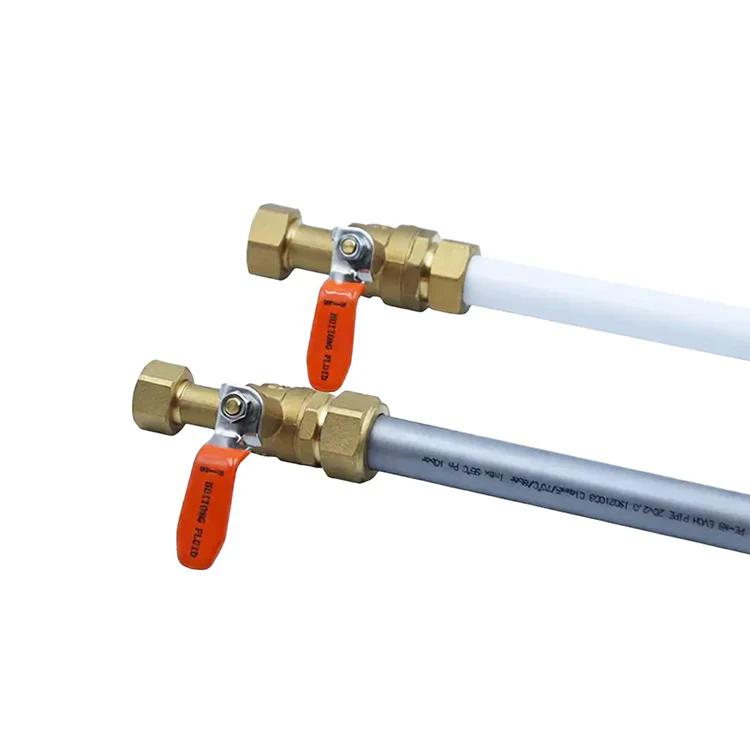
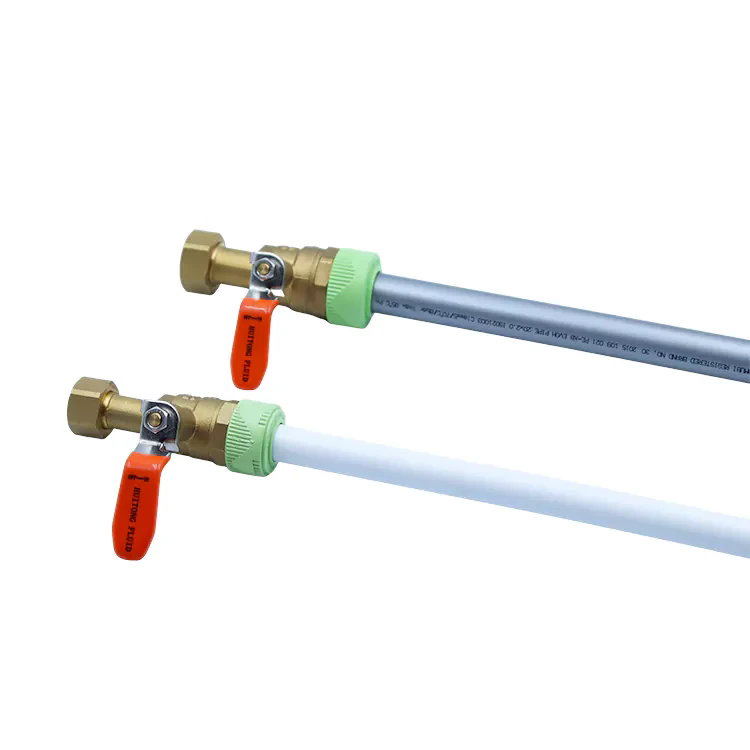
Traditional threaded and welding solutions bring abundant open-fire work on-site and demand high-level craftsmanship from installers. Construction cost and safety risks have become prominent in European and Southeast Asian commercial projects. Flameless connection products including press-fit fittings, various Ball Valve, water manifolds and balancing valves are drawing growing attention from general contractors and plumbing installers.
Instead of focusing merely on unit price, many project stakeholders now evaluate dezincification-resistant performance, seal durability, maintenance cost and batch consistency. Constrained by raw material and processing capability, numerous small-scale suppliers struggle to meet certification requirements for multiple regional markets. Original manufacturers with stable mass-production capacity are gaining larger order share. As a Chinese manufacturer specialising in fluid pipeline accessories, Huitong keeps tracking overseas standard updates to match real-world working conditions for projects from different regions.
1. For domestic water supply and underfloor heating projects, narrow installation spaces make on-site welding a major fire hazard, boosting acceptance of flameless fittings.
2. End-users attach great importance to system service life; DZR brass and ageing-resistant EPDM seals have become mainstream specifications.
3. Small-volume, multi-SKU residential orders place higher requirements on suppliers’ delivery flexibility.
1. In commercial buildings, central heating and fire-protection projects, fittings and Ball Valve endure frequent pressure fluctuation, calling for robust pressure resistance and medium corrosion resistance.
2. Engineering projects generally require complete material reports and batch traceability documents; products without compliant paperwork are excluded from large-scale tenders.
3. Interchangeability and installation tolerance of components directly influence project progress amid tight construction schedules.
Reliability of pipeline systems relies not only on pipes themselves but also on connecting and control parts such as joints and valves. Industry R&D mainly focuses on substrate improvement, seal-structure optimisation and working-condition adaptation.
For brass substrates, ordinary brass suffers dezincification corrosion under alternating hot-cold water, shortening fitting service life. DZR dezincification-resistant brass is gradually adopted for drinking-water pipelines across major overseas markets to lower leakage risks from medium erosion. Apart from fitting bodies, sealing gaskets represent a key wearing component. Ordinary rubber tends to harden and fail under sustained high-temperature thermal cycling, making EPDM gaskets an industry-standard configuration.
As core components for pipeline on-off control, Ball Valve show large structural differences for distinct application scenarios. General water-supply ball valves, boiler-specific ball valves and fire-protection dedicated valves vary in pressure rating, medium compatibility and temperature range. Directly applying universal ball valves to different working conditions will trigger premature field failures.
1. Eliminates open-flame welding, removing fire risks for renovation projects in hotels and office buildings.
2. Standard press-tool operation lowers reliance on welder skill and reduces human-caused installation errors.
3. Compact body fits confined spaces such as suspended ceilings and pipe shafts.
1. Judging products only by outer dimensions while ignoring brass grade; using standard brass for potable-water and high-temperature heating circuits.
2. Misapplying Ball Valve across different operating environments, deploying ordinary water-supply ball valves for high-temperature boiler circuits or high-pressure fire-protection pipelines.
3. Over-emphasising valve body strength while neglecting gasket service life; gasket ageing is a leading cause of late-stage pipeline leakage.
Working conditions vary greatly among regional projects. Nominal pressure, operating temperature, compatible pipe types and conveyed media shall be clarified during product selection. The table below lists core reference parameters for commonly-used HVAC-plumbing brass fittings and Ball Valve for engineering purchasers and technical personnel.
| Product Item | Main Material | Nominal Pressure | Operating Temperature | Compatible Pipe | Medium |
|---|---|---|---|---|---|
| Press‑fit brass fittings | DZR dezincification‑resistant brass + EPDM | 1.6‑2.5 MPa | -20℃ ~ 110℃ | Copper tube, thin‑wall stainless steel tube | Potable water, heating water |
| Threaded brass ball valve | HPb59‑1 brass | 1.6‑4.0 MPa | -10℃ ~ 120℃ | Thread connection | Water, glycol mixed fluid |
| Boiler brass ball valve | Forged DZR brass | 2.5‑4.0 MPa | -10℃ ~ 130℃ | Thread connection | High‑temperature heating medium |
| Fire pipeline special valve | Forged brass | 1.6‑2.5 MPa | 0℃ ~ 80℃ | Thread connection | Fire‑fighting water |
| Water manifold | Forged brass | 1.6 MPa | -10℃ ~ 80℃ | PEX, aluminum‑plastic pipe | Floor heating circulating water |
| Balancing valve | Forged brass | 1.6‑2.5 MPa | -10℃ ~ 110℃ | Thread connection | Heating circulating water |
Note: Above figures are general industry reference values. Huitong can adjust parameters according to target-market standards; actual specifications refer to inspection reports of individual models.
Against global supply-chain volatility, overseas purchasers are paying increasing attention to supply stability and document compliance besides product performance. Many purchasing cases indicate that low-cost alternatives may satisfy basic dimensional requirements yet lack material test reports and batch traceability records, which disqualify them from tenders in parts of Europe and America.
1. For drinking-water-contact fittings, material safety certificates are required in certain jurisdictions.
2. HVAC and fire-protection fluid components may demand CE and other regional compliance documents for engineering projects.
3. Mass-volume project orders call for factory-issued batch-by-batch inspection records.
Overseas distributors and engineering service providers often place multi-category, low-volume orders. Many large factories prioritise bulk orders, leading to extended lead-times for mixed-SKU purchases. Manufacturers with flexible production workflows are optimising production schedules to serve small-and-medium buyers, and Huitong is adjusting its production arrangements for such market demands.
1. Market share of flameless connection components will keep rising. Demand for press-fit fittings and application-specific Ball Valve will expand along with residential new builds and renovation projects.
2. Material standards will keep tightening. DZR dezincification-resistant brass will gain wider adoption in potable-water and heating pipelines, squeezing market space for low-grade brass products.
3. Demand for scenario-specific components will grow; dedicated valves for boiler, fire-protection and district heating will gradually replace general-purpose alternatives.
4. Procurement evaluation will shift from pure price comparison toward comprehensive assessment covering performance, documentation, lead-time and after-sales; price-only supply-chain models will lose competitiveness.
1. Confirm project medium, temperature and pressure conditions in advance. Avoid cross-scenario misuse of fittings and valves; in particular, Ball Valve shall match designated operating environments.
2. Confirm available material reports and traceability paperwork from suppliers to satisfy target-market access requirements before order placement.
3. Carry out small-batch sampling with new suppliers. Validate product performance via in-house or third-party testing before large-volume procurement.