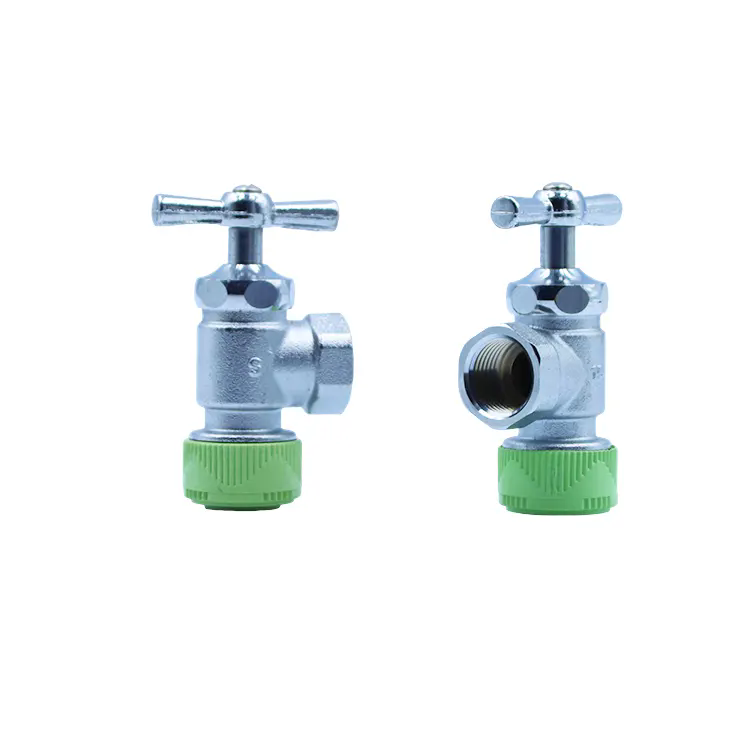
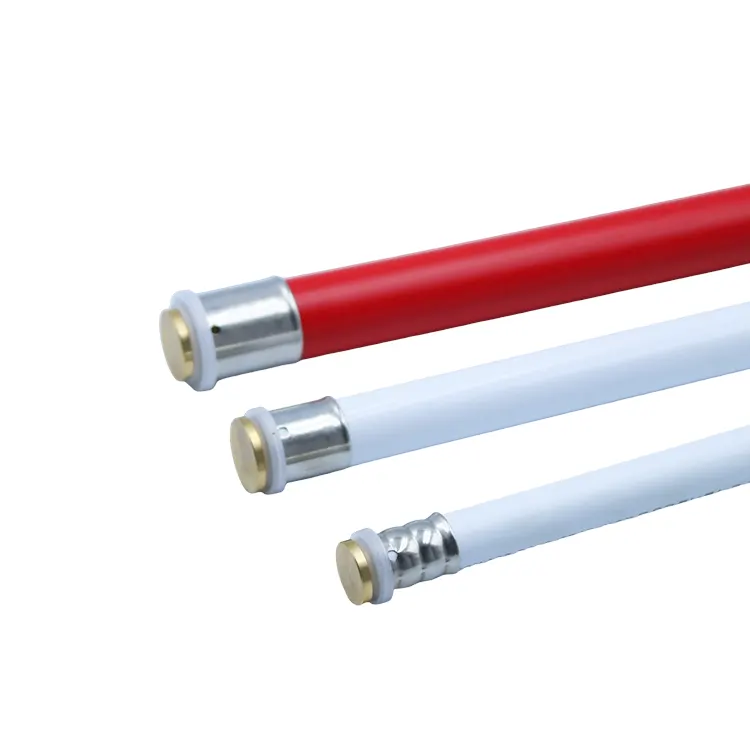
In a modern commercial building, the HVAC system operates silently behind the scenes, delivering comfort to thousands of occupants. But beneath the ceiling tiles and within the mechanical rooms, a network of pipes carries chilled water, hot water, and refrigerant throughout the structure. One year after installation, the facility manager notices an anomaly: the chiller is running longer cycles, the energy bills have increased by 15%, and the maintenance team is receiving complaints about damp ceiling tiles. The culprit? Micro-leaks at multiple pipe connections. This scenario plays out in buildings around the world every day, and the root cause is almost never a failure of the pipe itself. The weak link is almost always the connection—the Pipe Fitting. A single poorly sealed or poorly selected fitting can compromise the entire system's efficiency, safety, and reliability.
So how do Pipe Fittings actually help reduce leakage risks in HVAC systems? The answer lies in a combination of precision engineering, advanced materials, and thoughtful design. A high-quality Pipe Fitting is not just a mechanical connector; it is a carefully engineered component that must seal against pressure, absorb thermal expansion, resist vibration, and withstand chemical attack from refrigerants and water treatment chemicals. Through technologies such as tapered metal-to-metal seals, elastomeric O-rings with controlled compression, and specialized thread sealants, a well-designed fitting creates a barrier that can last for decades. This article will explore the fundamental mechanisms by which Pipe Fittings prevent leakage, examine the critical technical parameters that define their performance, and provide actionable guidance for engineers, contractors, and facility managers seeking to build leak-free HVAC systems.
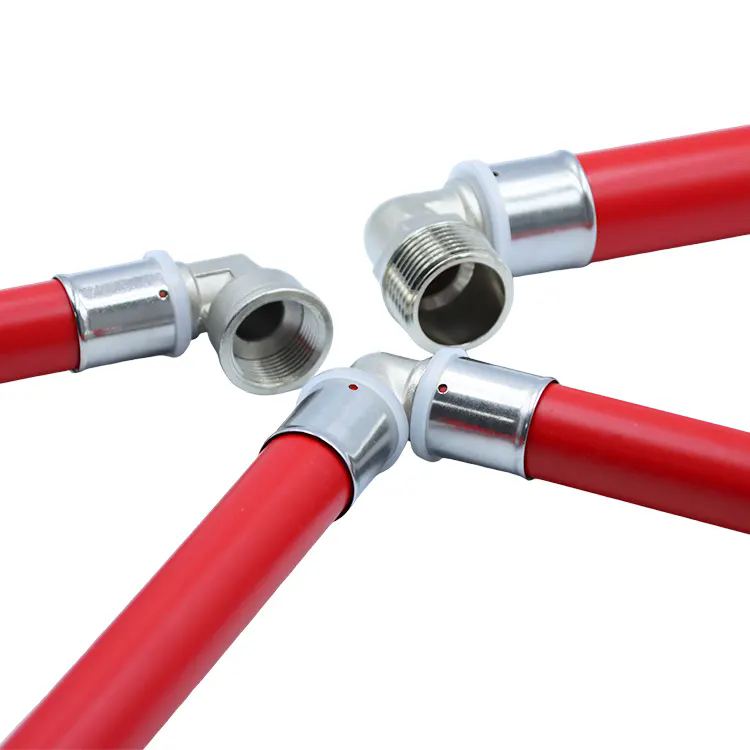
A Pipe Fitting is a mechanical component used to connect, terminate, change the direction of, or branch the flow of fluid within a piping system. In an HVAC context, Pipe Fittings are the essential connectors that enable the complex network of pipes carrying chilled water, hot water, refrigerant, and condensate to navigate through a building's structure. Without Pipe Fittings, the piping system would be a series of straight, rigid, and immovable segments—completely impractical for real-world installation. A Pipe Fitting provides the flexibility needed to route pipes around obstacles, transition between different pipe sizes, and connect to equipment such as chillers, boilers, pumps, and air handling units.
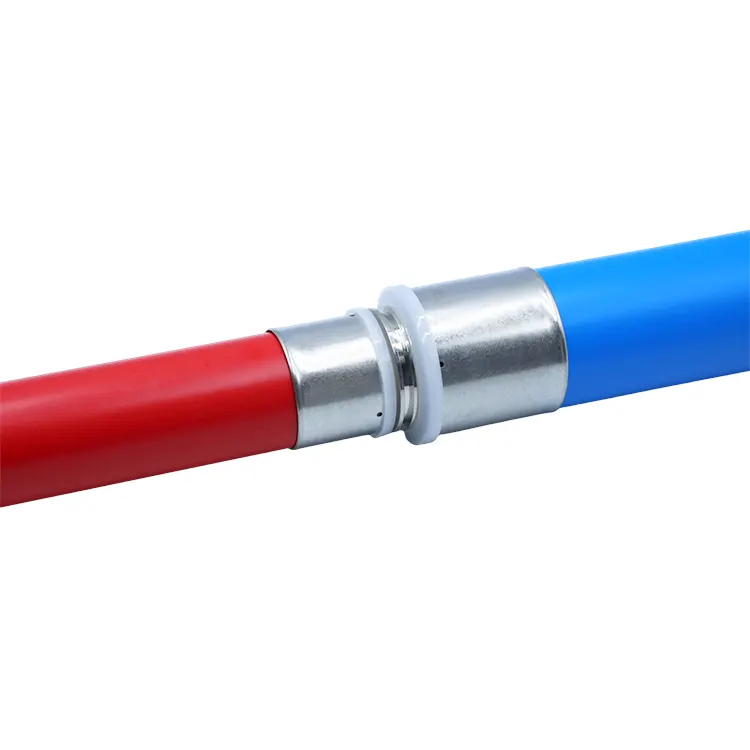
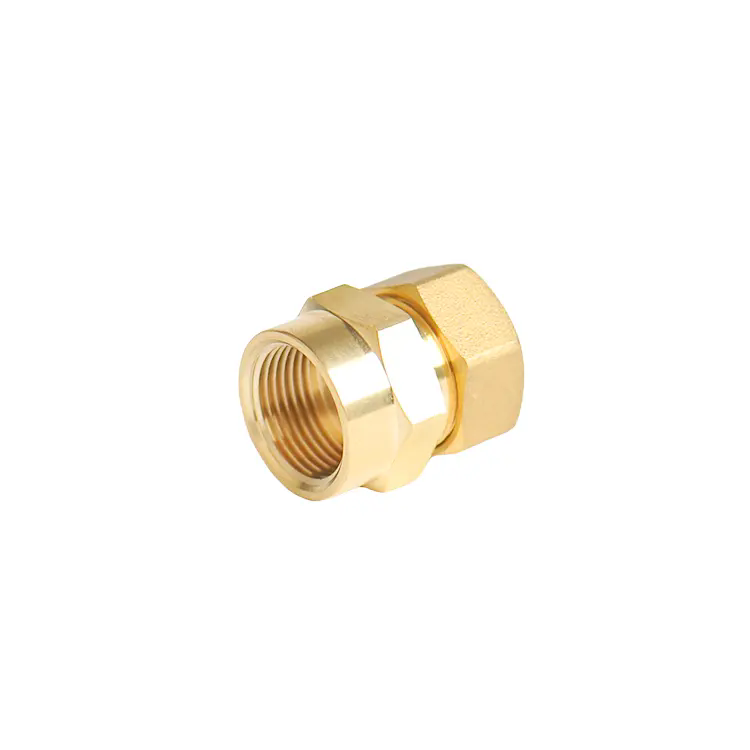
The primary types of Pipe Fittings used in HVAC systems include: elbows (90° and 45°) for changing flow direction; tees and crosses for creating branches; reducers for transitioning between different pipe diameters; couplings for connecting two pipes in a straight line; unions for providing a detachable connection for maintenance; and caps or plugs for sealing pipe ends. Each type of fitting serves a specific purpose and must be selected based on the system's pressure rating, temperature range, and fluid compatibility. The design of a Pipe Fitting also dictates how it seals: some rely on tapered threads that create a mechanical interference seal, others use elastomeric O-rings compressed between mating surfaces, and still others employ a metal-to-metal seating surface that deforms slightly to create a leak-tight joint.
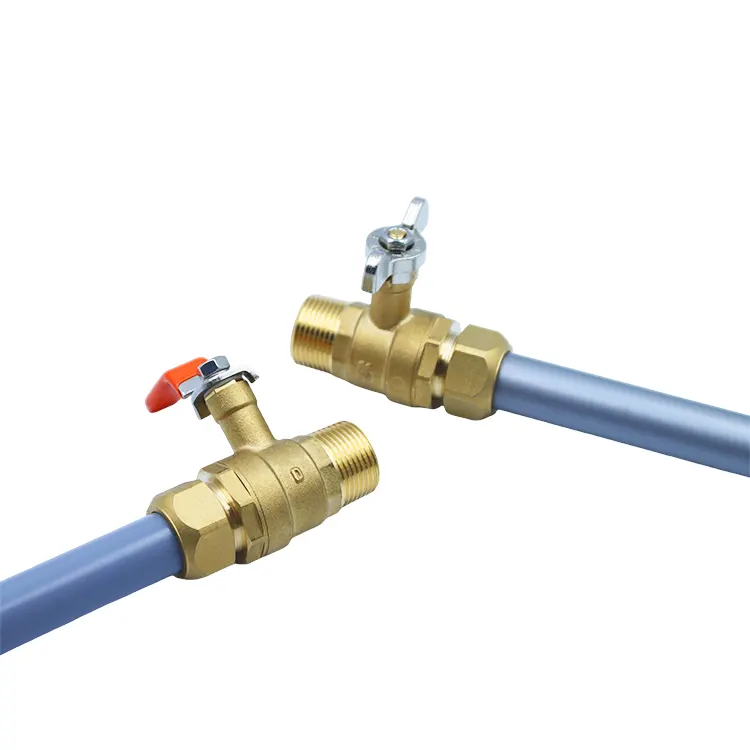
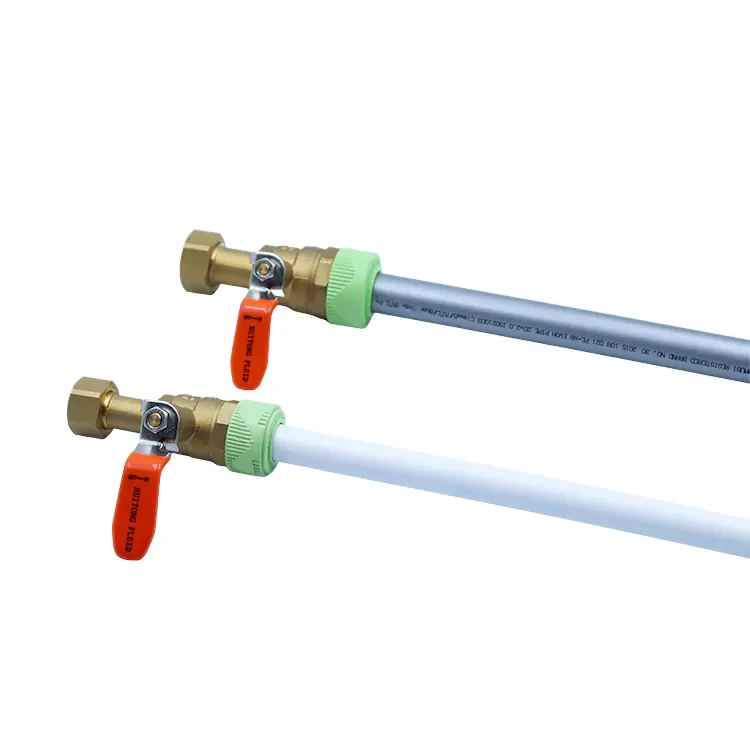
In modern HVAC systems, the selection of a Pipe Fitting is not a trivial decision. It directly influences the system's long-term reliability. Yuhuan Huitong Fluid Control Co., Ltd., a manufacturer with nearly 15 years of experience in the pipeline fluid control industry, produces a comprehensive range of Pipe Fitting solutions specifically designed for HVAC applications. From brass boiler ball valves to quick-connect fittings and heating manifolds, our products are engineered to meet the demanding performance requirements of commercial and residential HVAC systems. By understanding the fundamental role of the Pipe Fitting, engineers and contractors can make informed decisions that significantly reduce the risk of leakage, improve system efficiency, and extend the service life of the entire HVAC installation.
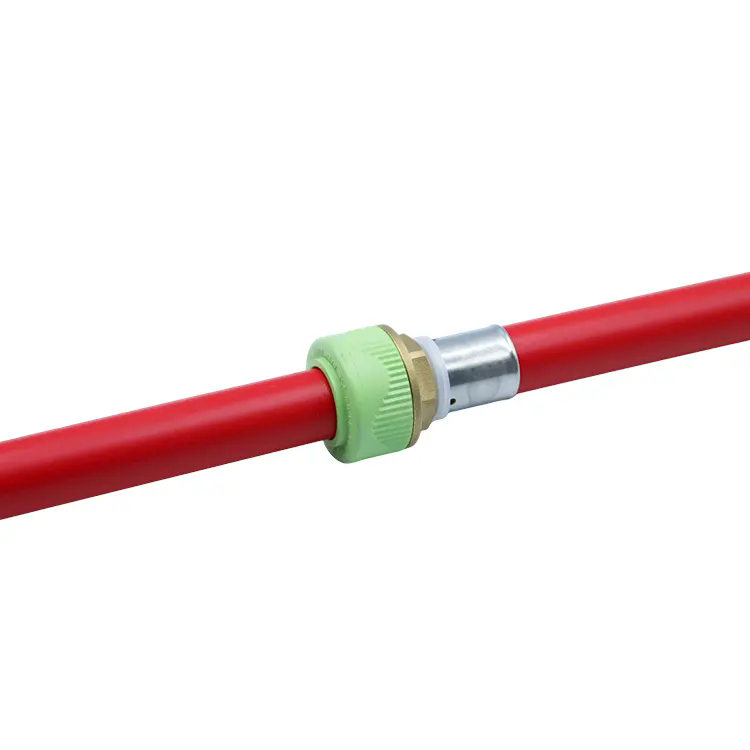
To understand why Pipe Fittings are the most common source of leaks in HVAC systems, we must first consider the statistics. Industry studies consistently show that 60% to 70% of all leaks in HVAC piping systems occur at joints and connections—the locations where Pipe Fittings are installed. This is not a coincidence. The pipe itself, whether it is copper, steel, or PEX, is a continuous, homogeneous material that is relatively resistant to failure under normal operating conditions. The Pipe Fitting, however, is an assembly of multiple components, often involving different materials, seals, and mechanical interfaces. Each of these interfaces represents a potential leak path, and each must be carefully designed and manufactured to prevent fluid escape.
Consider a real-world example that illustrates the scale of this problem. A 15-story hotel in a major coastal city experienced chronic issues with its chilled water system. The maintenance team was constantly responding to complaints of water stains on ceiling tiles, and the system required frequent top-ups of inhibited water. The leaks were not dramatic; they were slow, persistent micro-leaks that were difficult to locate. An investigation revealed that the majority of the leaks were occurring at the Pipe Fitting connections throughout the building. Many of the fittings were standard, off-the-shelf components that had not been selected with the specific requirements of a high-pressure, high-cycling chilled water system in mind. The repair effort required the removal of hundreds of ceiling tiles, the replacement of dozens of fittings, and weeks of disruption to hotel operations. The total cost of the repair, including labor, materials, and lost revenue from out-of-service rooms, exceeded a quarter of a million dollars.
The three most common failure mechanisms in Pipe Fitting connections are: sealing surface degradation (where the O-ring or seal material hardens, cracks, or loses elasticity over time), thread loosening due to vibration (where mechanical vibration gradually unscrews a threaded connection), and thermal stress fatigue (where repeated expansion and contraction cycles cause micro-cracks in the fitting material or the seal). Each of these mechanisms can be mitigated through careful design and material selection. Huitong has developed a range of Pipe Fitting products that address these failure modes directly. Our fittings feature robust elastomeric seals with superior chemical and thermal resistance, anti-vibration thread locking features, and precision-machined sealing surfaces that maintain their integrity over thousands of thermal cycles. By investing in high-quality Pipe Fitting solutions, building owners and facility managers can significantly reduce the risk of these costly and disruptive failures.
The prevention of micro-leakage is the single most important function of a Pipe Fitting in an HVAC system. Micro-leaks are extremely small leaks—often measured in grams per year—that are difficult to detect visually but can have significant cumulative impacts on system performance. Over time, a micro-leak can cause a gradual loss of refrigerant, leading to reduced cooling capacity and increased energy consumption. In hydronic systems, micro-leaks allow the ingress of oxygen, which accelerates corrosion of steel components and degrades the performance of water treatment chemicals. The sealing technology used in a Pipe Fitting is therefore the primary defense against this insidious form of failure.
There are three primary sealing technologies used in Pipe Fittings for HVAC applications: tapered metal-to-metal thread seals, elastomeric O-ring seals, and parallel thread seals with sealants. The tapered thread seal, commonly found in NPT (National Pipe Thread) fittings, relies on the deformation of the threads as they are tightened. This creates a mechanical interference fit that seals the path between the threads. While effective, this type of seal is highly dependent on the quality of the thread machining and the skill of the installer. Over-tightening can split the fitting, while under-tightening can leave a leak path. The elastomeric O-ring seal is a more modern technology that provides a more reliable and consistent seal. An O-ring is a ring of elastomeric material (typically EPDM or Viton) that is compressed between two mating surfaces. The compression creates a pre-load that maintains a seal even when the fitting experiences temperature fluctuations or minor misalignment.
The choice of elastomer material is critical to the long-term performance of the seal. EPDM (Ethylene Propylene Diene Monomer) is the preferred material for chilled water and hot water systems due to its excellent resistance to water, steam, and mild chemicals, as well as its ability to maintain elasticity over a wide temperature range. NBR (Nitrile Butadiene Rubber), while commonly used in general-purpose applications, has lower resistance to ozone and heat and is more prone to hardening over time. PTFE (Polytetrafluoroethylene) tape, while widely used, is actually a thread lubricant and sealant, not a true seal in itself; it works best in conjunction with a well-machined thread. Yuhuan Huitong Fluid Control Co., Ltd. has specialized in the production of Pipe Fitting with advanced sealing technologies. Our brass fittings are engineered with precision-machined sealing surfaces and are available with high-performance EPDM O-rings that are tested to withstand thousands of pressure cycles. By understanding the distinctions between these sealing technologies, engineers can select the appropriate Pipe Fitting for their specific application, dramatically reducing the risk of micro-leakage.
One of the most challenging physical phenomena that a Pipe Fitting must withstand is the force generated by thermal expansion. As the temperature of a pipe changes, the pipe itself expands or contracts. The magnitude of this movement can be substantial. For example, a 10-meter length of copper pipe subjected to a temperature change of 50°C will expand by approximately 8.4 millimeters. While this may seem like a small amount, the force generated by this expansion can be several tons. If the pipe is rigidly fixed, this force is transmitted directly to the Pipe Fitting. If the fitting is not designed to absorb this stress, the result can be cracking of the fitting body, deformation of the seal, or loosening of threaded connections—all of which lead to leakage.
How does a Pipe Fitting manage this thermal stress? There are several engineering approaches. One of the most common is the use of a union or a flare fitting that allows some degree of axial movement. These fittings incorporate a sealing design that maintains contact even as the pipes move slightly. Another approach is the use of a tapered thread connection, which, when properly tightened, can accommodate a small amount of movement without losing its seal. However, the most effective approach is to design the piping system with intentional flexibility, using flexible hoses or expansion loops, and to select Pipe Fitting that are specifically rated for the temperature range of the system. For larger systems, an engineered expansion joint may be required.
The material of the Pipe Fitting also plays a role in thermal management. Brass, for example, has a coefficient of thermal expansion (approximately 18 x 10⁻⁶/°C) that is very close to that of copper pipe (approximately 16.8 x 10⁻⁶/°C). This means that a brass Pipe Fitting will expand and contract at nearly the same rate as the copper pipe it connects, minimizing the stress at the joint. This is one of the primary reasons why brass is the preferred material for HVAC Pipe Fitting. Yuhuan Huitong Fluid Control Co., Ltd. manufactures its Pipe Fitting from high-grade brass, ensuring that our products maintain thermal compatibility with common HVAC piping materials. Our fittings are also designed with generous dimensions and robust wall thicknesses to provide additional resistance to thermal stress. By selecting a Pipe Fitting that is thermally compatible with the piping material, engineers can significantly reduce the risk of thermal fatigue and joint failure.
Corrosion is a relentless enemy of HVAC systems, and the Pipe Fitting is often the first component to fall victim to its effects. Unlike the continuous pipe, which is usually protected from external corrosion by its insulation and from internal corrosion by water treatment, the fitting is a complex component with multiple surfaces, crevices, and different materials. The threaded connections, in particular, are susceptible to galvanic corrosion, where two dissimilar metals in the presence of an electrolyte (water) create a small electrical current that accelerates corrosion. The choice of material for the Pipe Fitting is therefore a critical factor in determining the system's long-term reliability.
Consider the case of a luxury apartment complex built on the coast of Florida. The HVAC system was specified with standard carbon steel pipe fittings. Within two years, the fittings began to show signs of severe corrosion, with rust forming at the threads and pitting on the surfaces. The salt-laden air had accelerated the corrosion process, and the internal corrosion from the chilled water—which was not perfectly treated—had compounded the problem. The building owners were forced to replace the entire piping system, a project that cost over two million dollars and caused months of disruption for the residents. This scenario could have been avoided with the proper material selection: marine-grade brass or bronze fittings, or a suitable plastic fitting, would have provided the necessary corrosion resistance for the coastal environment.
The following table provides a guide to the relative corrosion resistance of common Pipe Fitting materials in HVAC environments.
| Material | Corrosion Resistance | Typical HVAC Application | Limitations |
| Brass (CW617N) | Excellent in water | Chilled water, hot water, hydronics | Susceptible to dezincification in acidic water |
| Bronze | Excellent in seawater | Coastal applications, condenser water | Higher cost than brass |
| Stainless Steel (304/316) | Excellent in most media | Chemical applications, refrigeration | Higher cost, requires careful welding |
| Carbon Steel | Poor without coating | Not recommended for HVAC | Requires internal and external protection |
| Copper | Good in water | Refrigerant lines, chilled water | Susceptible to ammonia and certain chemicals |
| Plastic (PVC/CPVC) | Excellent in water | Condensate drains, chemical waste | Temperature limited, mechanical strength |
When selecting a Pipe Fitting, the engineer must evaluate the specific environmental and operational factors: the fluid chemistry (is the water treated? Are there any refrigerants or oils?), the ambient environment (is it coastal, industrial, or rural?), and the temperature range. Huitong offers Pipe Fitting products in a range of materials to suit different applications. Our core product line is in brass, a material that offers an excellent balance of corrosion resistance, strength, and machinability. For more demanding applications, we can provide fittings in bronze or stainless steel. By selecting the right material for the job, the risk of corrosion-related leakage can be virtually eliminated.
Even the best-engineered Pipe Fitting will fail if it is not installed correctly. Installation practices are a crucial, often overlooked, factor in the reliability of the piping system. The human element—the skill and care of the installer—is just as important as the quality of the fitting itself. Many field failures that are incorrectly attributed to a "bad fitting" are, in fact, the result of improper installation. The most common installation errors include overtightening, undertightening, cross-threading, and failure to clean the threads before assembly. Each of these errors creates a defect that can lead to immediate leakage or premature failure.
Overtightening is one of the most frequent mistakes. When a threaded Pipe Fitting is overtightened, the threads can be damaged or the fitting body can be stressed to the point of cracking. The sealing mechanism relies on proper thread engagement, not maximum torque. A common rule of thumb is to tighten the fitting until it feels "firm," and then to continue with a specified number of additional turns. Many high-quality fittings include a torque specification that should be followed. Undertightening is equally problematic; if the fitting is not tightened sufficiently, the threads will not create a proper seal, and leakage is almost guaranteed. The use of a thread sealant or tape can help, but it is not a substitute for proper tightening. Cross-threading occurs when the threads of the fitting and the pipe are not aligned correctly. This damages the threads and creates a permanent leak path. The only remedy is to replace the fitting and the pipe section, a costly and time-consuming repair.
To prevent these issues, we recommend the following installation best practices:
Yuhuan Huitong Fluid Control Co., Ltd. provides comprehensive installation guidelines with all of our Pipe Fitting products. Our fittings are designed to be user-friendly, with clear markings to indicate proper tightening depth. By following these guidelines and paying attention to the details of installation, contractors and maintenance personnel can ensure that the Pipe Fitting performs as designed, providing a reliable, leak-free service life.
Question 1: What is the best material for HVAC pipe fittings to prevent corrosion?
Answer: For most HVAC applications, high-quality brass (such as CW617N) is the preferred material due to its excellent balance of corrosion resistance, strength, and cost-effectiveness. Brass is particularly well-suited for chilled water, hot water, and hydronic systems. For coastal applications or environments with aggressive water chemistry, bronze or stainless steel may be recommended. Yuhuan Huitong Fluid Control Co., Ltd. offers a range of Pipe Fitting materials to suit your specific environmental and operational conditions.
Question 2: What are the signs that a pipe fitting has developed a leak?
Answer: The signs of a leaking Pipe Fitting can be subtle. Look for: corrosion or staining around the fitting, a white or green powdery residue (particularly on copper or brass fittings), dampness or water droplets on the fitting or pipe, a hissing sound (for gas systems), and an unexplained drop in system pressure. In hydronic systems, a slow loss of water pressure that requires frequent top-ups is a strong indicator of a leak. If any of these signs are present, the fitting should be inspected and either tightened or replaced.
Question 3: Why do pipe fittings sometimes become loose after installation?
Answer: Pipe Fittings can become loose over time due to vibration, thermal cycling, or the settling of materials. Vibration from pumps and compressors can cause threaded connections to gradually unscrew. Thermal cycling (expansion and contraction) can also cause the fittings to relax. To prevent this, anti-vibration thread locking compounds, mechanical locking features, or specific thread designs can be used. Proper torque application during installation is the first line of defense. In critical systems, periodic inspection and re-tightening is recommended as part of a preventive maintenance program.
Question 4: Is Teflon tape or a liquid sealant better for sealing pipe fittings?
Answer: Both Teflon (PTFE) tape and liquid sealants are effective when used correctly. PTFE tape is convenient and works well for water and many fluids, provided it is applied correctly (wrapped in the direction of the threads). Liquid sealants (such as anaerobic sealants) are generally more reliable for higher pressures and temperatures, as they fill the thread gaps more completely. For critical applications, liquid sealants are often preferred. Our recommendation is to follow the fitting manufacturer's guidelines and the system's specific requirements. Yuhuan Huitong Fluid Control Co., Ltd. provides detailed sealing recommendations for our Pipe Fitting product lines.
Question 5: Can pipe vibrations cause fittings to leak, and how can this be prevented?
Answer: Yes, pipe vibrations are a known cause of Pipe Fitting leakage. The vibration can cause threaded connections to gradually loosen over time, creating a leak path. It can also cause fatigue of the fitting material or the seal. To prevent vibration-related leaks, use anti-vibration mounts on pumps and compressors, install flexible hose sections to isolate vibration from the piping, and use fittings with anti-vibration thread features (such as thread locking compounds or mechanical locks). Regular inspections of fittings in high-vibration areas are also recommended.
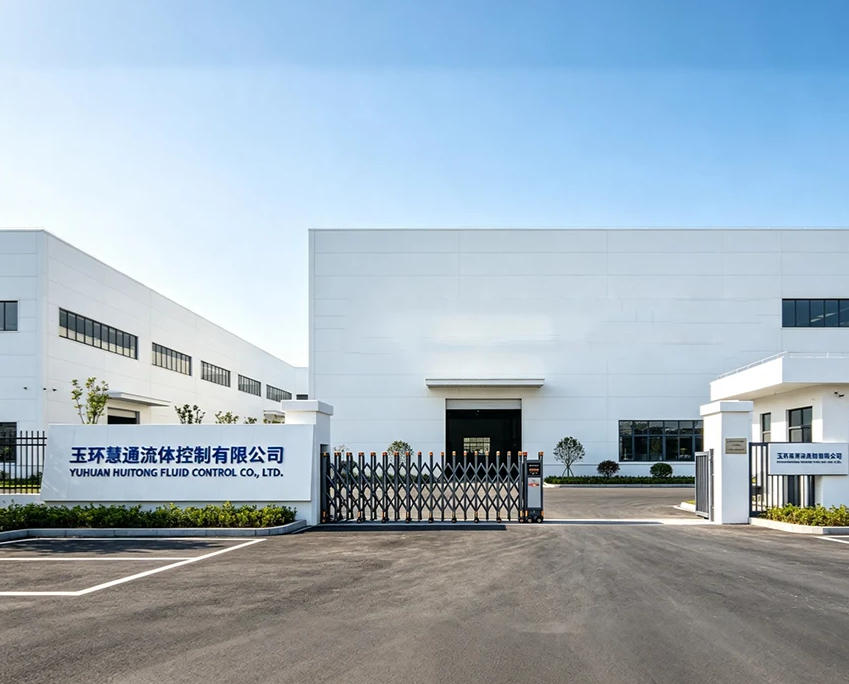
Yuhuan Huitong Fluid Control Co., Ltd., located in Zhejiang Province's renowned "China Capital of Valves," has been a trusted manufacturer of pipeline fluid control products for nearly 15 years. Our product lineup includes brass boiler ball valves, brass quick-connect Pipe Fitting for heating systems, brass heating manifolds, automatic regulating valves, fire-fighting press-fit brass pipe fittings, safety valves, and more. Every Pipe Fitting we produce embodies our commitment to quality and innovation.
Our 5,000m² manufacturing facility is equipped with nearly 80 fully-automatic CNC lathes and comprehensive production and testing equipment, achieving a monthly output of 300,000 units with annual sales of approximately RMB 50 million. Under the business philosophy of "Pragmatism, Efficiency, Innovation, and Win-Win Cooperation," we have built a reputation for reliability and precision. Our Pipe Fitting products are exported to South America, North America, Europe, Japan, South Korea, Southeast Asia, and beyond, earning the trust of customers worldwide.
We hold ISO 9001 certification (BRC24Q10458R0S) and South Korea's KC Certification (KCW-2021-0037), reflecting our commitment to international quality standards. Guided by the tenets of "Customer First, Quality-Oriented, Comprehensive Innovation," we invite partners to join us in advancing the pipeline fluid control industry.
Pipe Fittings are the unsung heroes of HVAC systems. While pipes carry the fluids, it is the fittings that connect, direct, and control the flow, and it is at these critical junctions that the battle against leakage is won or lost. Through precision sealing technologies, thermal expansion management, careful material selection, and proper installation, a high-quality Pipe Fitting can provide decades of reliable, leak-free service. The key to success lies in understanding the specific demands of the application—the fluid type, temperature range, pressure, and environmental conditions—and selecting a fitting that is engineered to meet those demands.
The five critical factors we have explored in this article—sealing technology, thermal management, corrosion resistance, material compatibility, and installation quality—each play a vital role in preventing leaks. A failure in any one of these areas can lead to costly system failures, energy waste, and service disruptions. By taking a holistic approach to Pipe Fitting selection and installation, engineers, contractors, and facility managers can build HVAC systems that are not only energy-efficient but also exceptionally reliable.
Yuhuan Huitong Fluid Control Co., Ltd. has been at the forefront of Pipe Fitting technology for nearly 15 years, delivering products that combine precision manufacturing, advanced materials, and rigorous quality control. Whether you are designing a new system or maintaining an existing one, we are here to support you with expert advice, comprehensive product data, and a commitment to your success. We invite you to explore our comprehensive range of Pipe Fitting solutions—from brass ball valves and quick-connect fittings to heating manifolds and safety valves—each engineered to help you reduce leakage risks and optimize system performance. Contact Yuhuan Huitong Fluid Control Co., Ltd. today to discuss your specific pipe fitting requirements and discover how our products can enhance the reliability and efficiency of your HVAC systems.