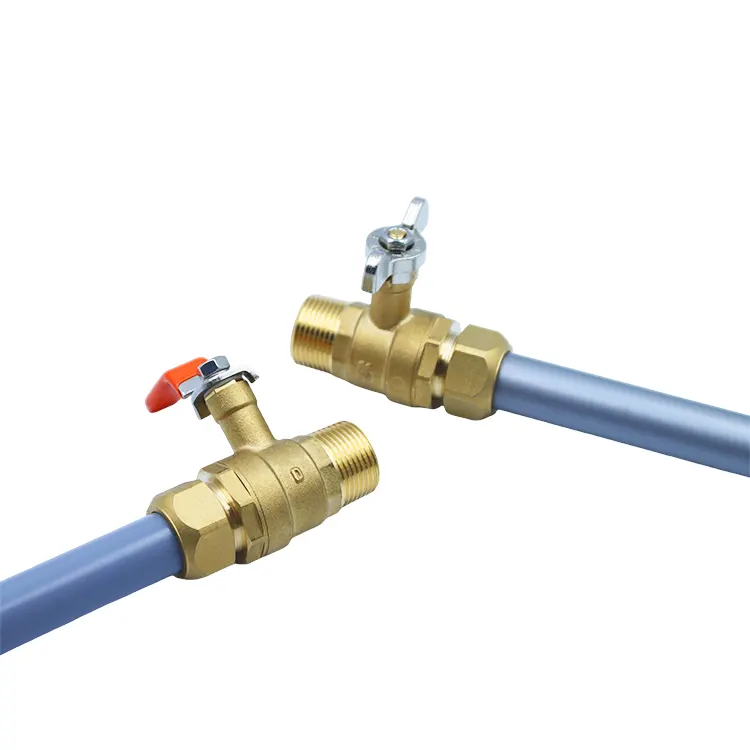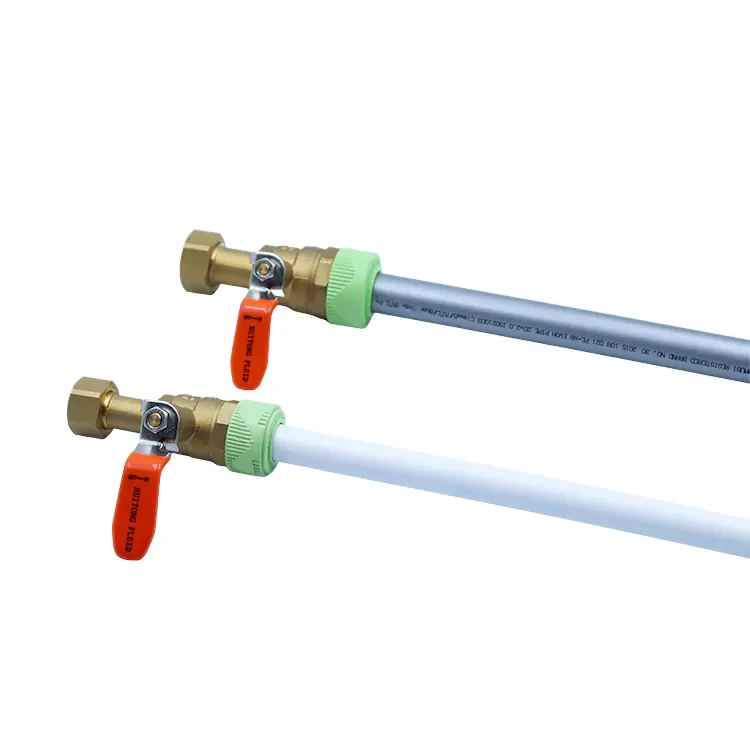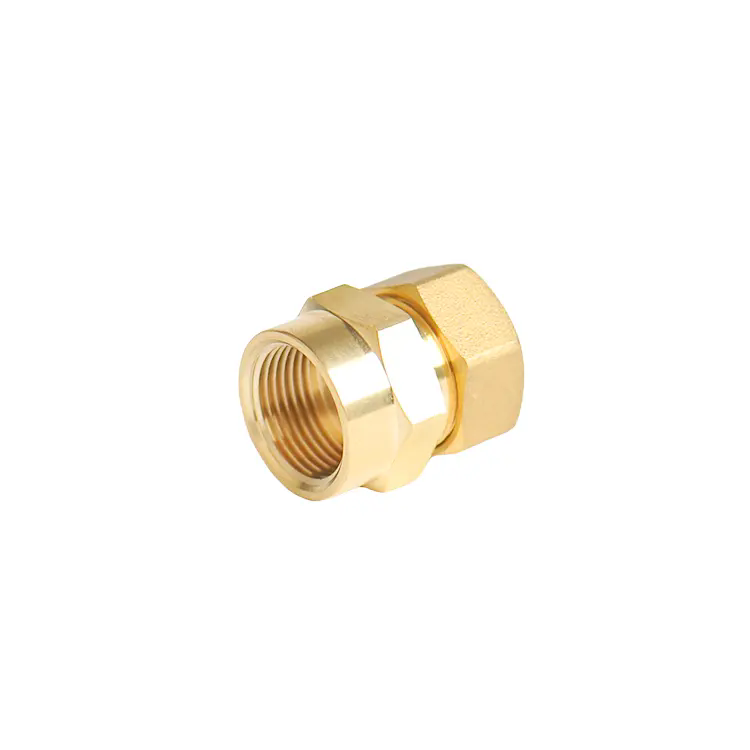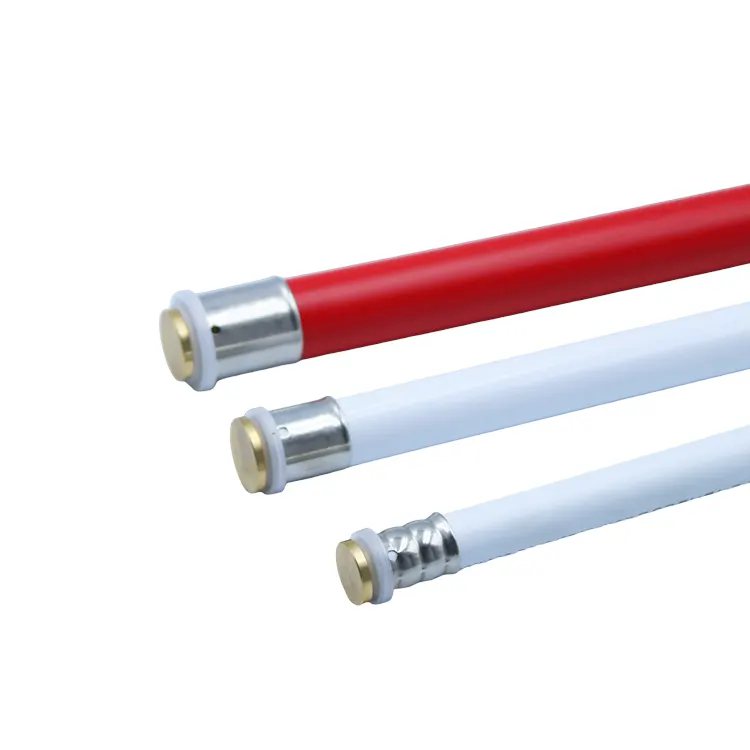


Abstract: A reliable pipe-end sealing solution is essential for preventing leakage, maintaining pressure, and simplifying plumbing installation. The Press-fit Brass Pipe Stop Plug from Huitong combines DZR brass construction, precision machining, EPDM sealing, and cold-press installation technology to provide a secure way to seal copper and thin-walled stainless steel pipes. Designed for potable water, underfloor heating, HVAC modification, and low-pressure fluid pipelines, this fitting offers a practical alternative to traditional soldering and threaded sealing methods.
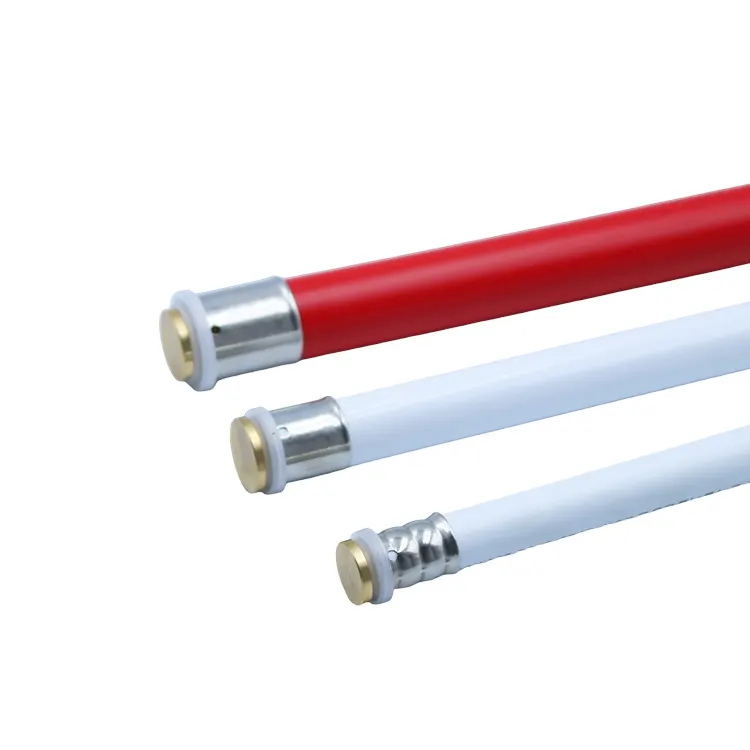
Table of Contents
- What Is a Press-fit Brass Pipe Stop Plug?
- Why Does Pipe-End Sealing Matter?
- How Is the Press-fit Brass Pipe Stop Plug Constructed?
- What Are the Key Technical Specifications?
- What Are the Main Advantages?
- Where Can It Be Used?
- How Should It Be Installed?
- How Can Buyers Select the Right Model?
- What Quality Factors Should Buyers Consider?
- Frequently Asked Questions
What Is a Press-fit Brass Pipe Stop Plug?
A Press-fit Brass Pipe Stop Plug is a specialized fitting designed to close and seal the end of a pipe without welding, soldering, or conventional threaded connections. It is particularly useful when a pipe section needs to be permanently closed or temporarily sealed during pressure testing, renovation, or system modification.
Unlike conventional pipe caps that may require threading or soldering, the press-fit design uses mechanical compression to secure the fitting and create a reliable radial seal. This makes the installation process faster while eliminating open-flame work.
According to Huitong's product information, the fitting is manufactured using a DZR brass body and an EPDM sealing ring. Its compact construction is intended for copper and thin-walled stainless steel piping used in water supply, underfloor heating, HVAC, and low-pressure industrial fluid systems.
For buyers researching a complete piping solution, this product can also be considered alongside press-fit brass pipe fittings for connecting, redirecting, or modifying fluid pipelines.
Why Does Pipe-End Sealing Matter?
An unsealed pipe end can create several problems, from water leakage and pressure loss to contamination and unnecessary maintenance. In a new installation, unused pipe branches may need to remain closed until future expansion. In renovation projects, sections of a pipeline may need to be isolated without replacing the entire network.
A suitable pipe stop plug should therefore provide more than simple physical closure. Important performance considerations include:
- Reliable sealing under the intended operating conditions.
- Resistance to corrosion and long-term environmental exposure.
- Compatibility with the selected pipe material.
- Fast and consistent installation.
- Resistance to pressure fluctuations and thermal cycling.
- A compact profile for concealed or restricted installation locations.
The press-fit approach addresses these requirements by combining mechanical retention with an elastic sealing element.
How Is the Press-fit Brass Pipe Stop Plug Constructed?
The performance of a pipe stop plug depends heavily on the interaction between its metal body, sealing groove, and elastomeric seal. Huitong's design incorporates several important elements.
DZR Brass Body
The fitting uses dezincification-resistant brass. DZR brass is particularly valuable in water-related applications because material selection plays an important role in long-term corrosion resistance. A dense forged brass structure also provides the mechanical strength required for press-fit installation.
Precision-Machined Sealing Groove
The internal sealing area is precision machined to accommodate the sealing ring. Consistent dimensions help the seal maintain appropriate contact with the pipe surface after pressing.
EPDM Sealing Ring
The EPDM sealing ring provides the elastic component of the connection. Its flexibility allows it to maintain contact as the system experiences normal pressure and temperature changes.
Cold-Press Connection
The fitting is designed for installation with a suitable press tool rather than an open flame. This can be particularly advantageous in enclosed mechanical rooms, occupied buildings, ceiling spaces, and other locations where hot work creates additional safety concerns.
What Are the Key Technical Specifications?
Choosing the correct size is essential for obtaining a reliable press-fit connection. The following specifications are based on the product information provided by Huitong:
| Specification | 16 mm | 20 mm | 25 mm |
|---|---|---|---|
| Nominal Product Size | 16 mm | 20 mm | 25 mm |
| Reference Wall Thickness | 2.0 mm | 2.0 mm | 2.5 mm |
| d1 | 7.5 mm | 10.5 mm | 15.0 mm |
| d2 | 11.80 mm | 15.80 mm | 19.80 mm |
| d3 | 16.5 mm | 20.5 mm | 25.5 mm |
| L | 28 mm | 28 mm | 35.4 mm |
| Typical Materials | CW617 brass, PE, SUS304, EPDM | ||
Specifications should always be checked against the actual pipe dimensions, installation standard, operating conditions, and project requirements before ordering. For customized requirements, buyers should confirm dimensions and material combinations directly with the manufacturer.
What Are the Main Advantages?
The Press-fit Brass Pipe Stop Plug is designed around several practical advantages that can improve installation efficiency and sealing reliability.
1. Flame-Free Installation
Because the connection is made through mechanical pressing, installers do not need welding equipment, soldering consumables, or an open flame. This can simplify work in areas with strict fire-control requirements.
2. Faster Installation
A standardized press-fit process can reduce the number of installation steps compared with traditional soldered connections. Once the pipe has been properly prepared and positioned, the fitting can be pressed using the appropriate tool.
3. Reliable Sealing
The combination of precision machining and an EPDM sealing ring creates a circumferential sealing interface. This helps reduce the risk of seepage when the fitting is correctly selected and installed.
4. Corrosion Resistance
DZR brass is engineered to provide improved resistance to dezincification compared with brass alloys that are more susceptible to this corrosion mechanism. This characteristic is valuable for water-related piping applications.
5. Compact Design
The relatively compact structure makes the fitting suitable for locations where installation space is limited, including concealed pipework, wall cavities, ceiling spaces, and narrow pipe shafts.
6. Reduced Auxiliary Materials
The integrated sealing structure eliminates the need for conventional thread tape or separate liquid sealants at the press-fit connection, helping simplify material management on the job site.
Where Can It Be Used?
The product's combination of compact dimensions, corrosion-resistant brass, EPDM sealing, and cold-press installation makes it suitable for multiple fluid-system applications.
- Potable Water Systems: Used to close unused pipe ends or isolate sections during plumbing modifications.
- Underfloor Heating: Useful for pressure testing and sealing heating pipe sections during installation.
- HVAC Systems: Suitable for closing branch lines during system modifications or zoning work.
- Commercial Plumbing: Helps contractors terminate unused or temporarily isolated pipe branches.
- Low-Pressure Industrial Lines: Can be used for suitable clean-water and circulating-fluid applications.
- Building Renovation: Provides a practical method for sealing redundant pipe sections without extensive hot work.
Application suitability should always be confirmed against the actual medium, pressure, temperature, pipe material, and applicable local standards.
How Should It Be Installed?
Correct preparation and tool selection are critical to press-fit connection performance. A typical installation sequence includes the following steps:
- Verify the pipe: Confirm that the pipe material, outside diameter, and wall thickness match the fitting specification.
- Cut the pipe correctly: Make a clean, square cut to provide a suitable sealing surface.
- Remove burrs: Carefully deburr the pipe end and remove particles that could damage the sealing ring.
- Inspect the fitting: Check the brass body and EPDM sealing ring for visible damage or contamination.
- Insert the pipe: Push the pipe fully into the fitting according to the applicable installation procedure.
- Position the press tool: Use the appropriate jaw profile and tool specified for the fitting system.
- Complete the press: Apply the required pressing cycle to create the mechanical connection.
- Inspect the connection: Verify the press profile and conduct the required pressure or leakage test before putting the system into service.
Installers should follow the manufacturer's installation instructions and applicable plumbing codes rather than relying solely on a general procedure.
How Can Buyers Select the Right Model?
For distributors, contractors, and engineering procurement teams, product selection should be based on more than nominal pipe diameter. A structured evaluation can help reduce installation problems.
| Selection Factor | What to Check | Why It Matters |
|---|---|---|
| Pipe Diameter | 16, 20, 25 mm or required size | Ensures proper dimensional compatibility |
| Pipe Material | Copper or compatible stainless steel | Determines connection compatibility |
| Wall Thickness | Match specified pipe dimensions | Supports correct insertion and pressing |
| Sealing Material | EPDM or specified alternative | Helps maintain sealing performance |
| Operating Conditions | Pressure, temperature, and medium | Confirms application suitability |
| Installation Tool | Compatible press tool and jaw profile | Ensures proper mechanical compression |
What Quality Factors Should Buyers Consider?
For professional buyers, consistent manufacturing quality is especially important because even small dimensional variations can influence installation performance across large batches.
Huitong describes a multi-stage quality control process covering raw materials, machining, finished products, and production traceability. Important quality-control considerations include:
- Material composition inspection before production.
- Corrosion and salt-spray testing where applicable.
- Dimensional inspection during CNC machining.
- Inspection of sealing groove geometry.
- Airtightness and structural testing of finished batches.
- Batch-level production records and traceability.
Huitong also identifies itself as a direct China manufacturer and supplier of brass fluid-control products, with CNC production capabilities and support for OEM/ODM requirements. Its broader product portfolio includes press-fit connectors, elbows, tees, unions, valves, manifolds, and other pipeline components.
Frequently Asked Questions
1. What is a Press-fit Brass Pipe Stop Plug used for?
It is used to seal the end of compatible pipes. Typical applications include potable water, underfloor heating, HVAC modifications, pressure testing, and selected low-pressure fluid pipelines.
2. Can a Press-fit Brass Pipe Stop Plug be installed without soldering?
Yes. The press-fit design is specifically intended for cold-press installation. It does not require an open flame, solder, or conventional thread-sealing tape at the press-fit connection.
3. What materials are used in the Huitong stop plug?
The product information specifies a DZR brass body and EPDM sealing ring, with product material information also listing CW617 brass, PE, and SUS304 components.
4. Is it suitable for underfloor heating systems?
Yes. The product is designed for applications including underfloor heating pipe pressure testing and sealing. Actual suitability should be verified against the heating system's temperature, pressure, pipe type, and applicable installation requirements.
5. What pipe sizes are available?
The referenced product information lists 16 mm, 20 mm, and 25 mm versions. Buyers requiring other dimensions should confirm current availability and customization options with Huitong.
6. How can buyers ensure a reliable press-fit seal?
Use the correct fitting size, prepare the pipe end properly, inspect the sealing ring, use a compatible press tool and jaw profile, complete the specified press cycle, and perform the required pressure or leakage test before commissioning.
Conclusion: Is a Press-fit Brass Pipe Stop Plug a Smart Choice for Modern Piping?
A properly engineered Press-fit Brass Pipe Stop Plug can provide an efficient solution for sealing compatible pipe ends while reducing dependence on hot-work installation methods. With DZR brass construction, precision-machined sealing features, EPDM sealing, and a compact cold-press design, the product is well suited to water supply, underfloor heating, HVAC modification, and other appropriate fluid-piping applications. For contractors, distributors, and engineering buyers looking for a dependable press-fit pipe sealing solution, choosing the correct specification and installation method is essential. If you need product specifications, OEM options, bulk pricing, or assistance selecting the right model for your project, contact us at Huitong for professional technical and supply support.