Article Summary:
A balancing valve is an essential component for modern hydronic heating, cooling, and water circulation systems. It helps regulate flow distribution, maintain pressure balance, improve temperature consistency, and reduce unnecessary energy consumption. In this article, we will explain how balancing valves work, why they are important, how to choose the right type, and how professional solutions from Huitong help engineers, contractors, and system integrators solve common fluid control challenges.
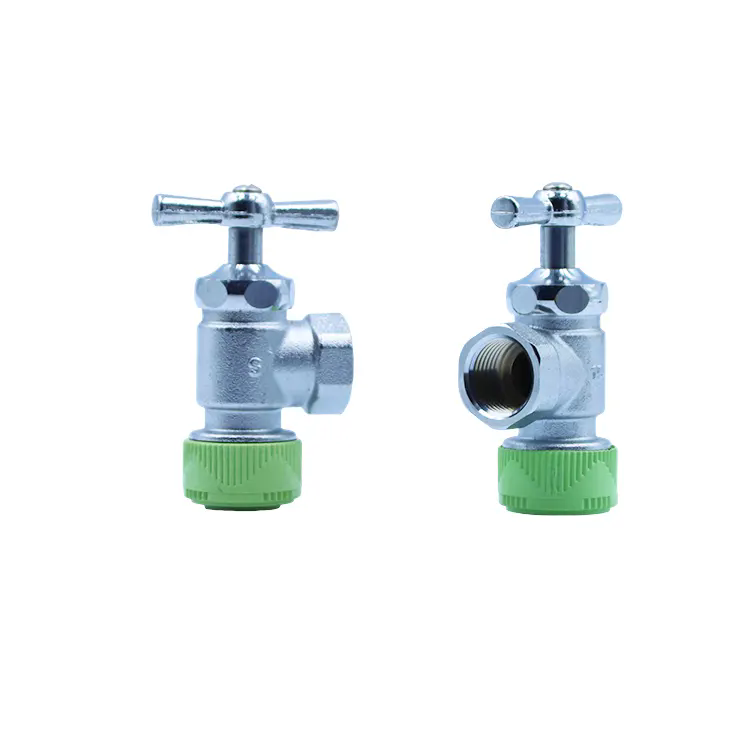
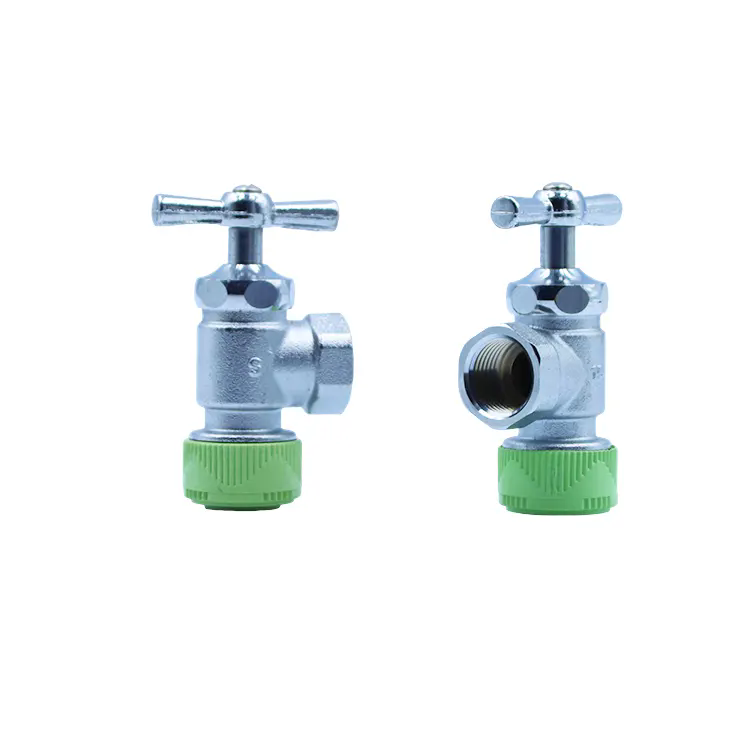
A balancing valve is a precision flow control device installed in piping systems to regulate water distribution between different branches. It is commonly used in HVAC systems, underfloor heating systems, chilled water systems, and industrial fluid circulation applications.
In many large buildings and residential projects, uneven water flow is a major challenge. Some areas may receive excessive heating or cooling, while distant zones may suffer from insufficient circulation. This imbalance increases energy waste, reduces comfort, and places additional stress on pumps and other equipment.
A balancing valve solves this problem by adjusting the resistance of each pipeline branch. It ensures that every terminal unit receives the designed flow rate, allowing the entire system to operate efficiently.
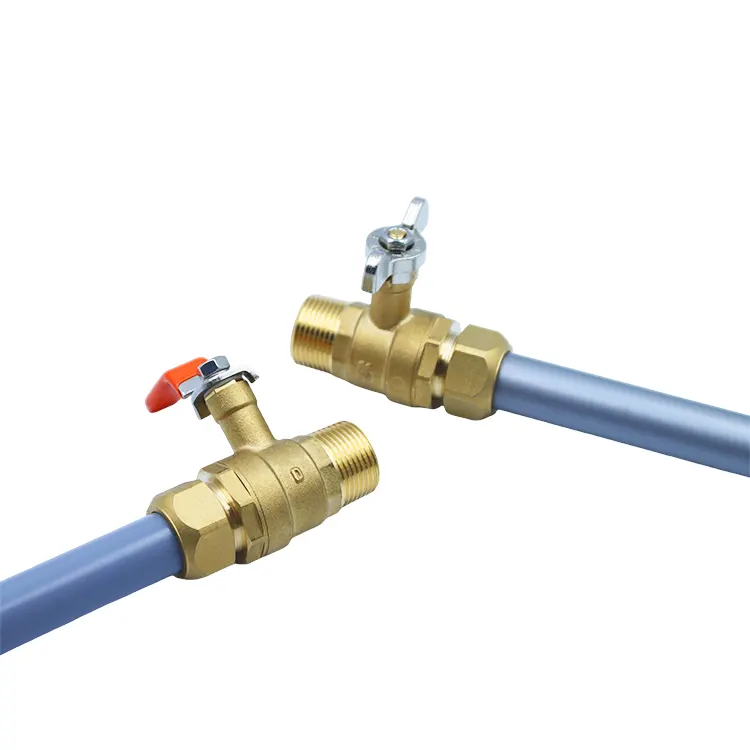
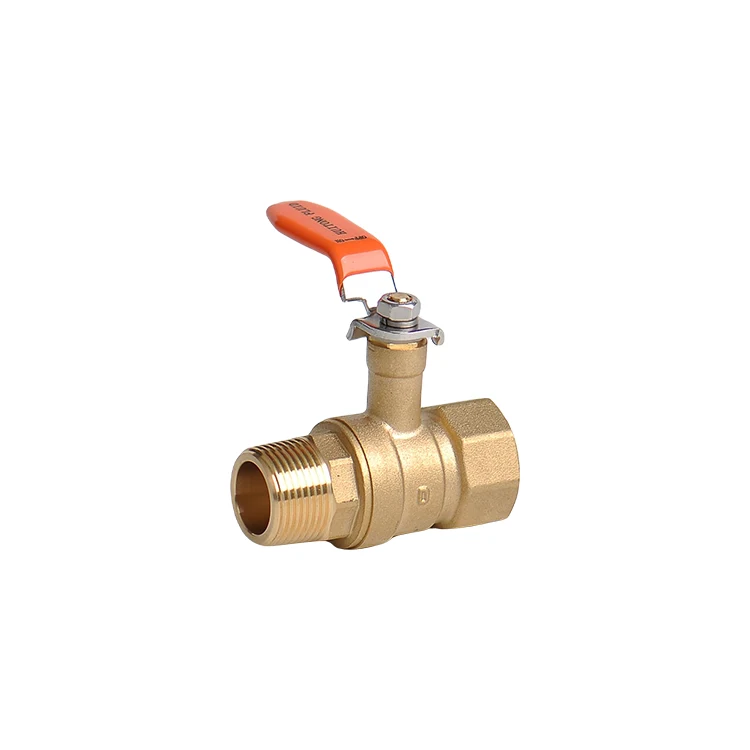
Huitong provides professional balancing valve solutions designed for accurate flow regulation and stable fluid management in various heating and cooling applications. The product range includes manual balancing valves, automatic flow balancing valves, and intelligent flow control solutions for different project requirements.
The working principle of a balancing valve is based on controlling hydraulic resistance inside a pipeline. When the valve opening changes, the internal flow passage changes accordingly, influencing the amount of water passing through the branch.
A properly adjusted balancing valve creates a balanced pressure relationship between different sections of the system. This allows pumps, heat exchangers, fan coils, and terminal devices to receive the correct amount of fluid.
| Component | Function | Benefit |
|---|---|---|
| Valve Body | Provides the main pressure-resistant structure | Ensures stable operation under different conditions |
| Valve Core | Controls flow adjustment accuracy | Provides precise regulation |
| Sealing System | Prevents leakage during operation | Improves reliability and service life |
| Adjustment Scale | Displays flow setting position | Makes commissioning easier |
Unlike ordinary shut-off valves, balancing valves are specifically designed for regulation rather than simple opening and closing. They provide engineers with better control over system performance.
Many heating and cooling systems experience performance issues because of incorrect hydraulic distribution. A balancing valve directly addresses these common problems.
For commercial buildings, hotels, hospitals, factories, and residential complexes, maintaining hydraulic balance is critical for achieving reliable comfort and lower operating costs.
Different applications require different balancing solutions. Selecting the correct type depends on system size, control requirements, and operating conditions.
| Type | Main Features | Typical Applications |
|---|---|---|
| Manual Balancing Valve | Adjustable flow control through manual settings | Residential heating, small HVAC projects |
| Automatic Balancing Valve | Automatically maintains designed flow under changing pressure | Commercial HVAC systems, large buildings |
| Intelligent Programmable Flow Valve | Supports automated control and system integration | Smart buildings and advanced energy management systems |
Huitong develops multiple balancing valve solutions to meet different engineering requirements, including manual regulation products and automatic flow balancing valves for HVAC fluid piping systems.
Choosing the correct balancing valve requires consideration of several technical factors. Incorrect selection may reduce system efficiency or create unnecessary maintenance problems.
| Selection Factor | Important Consideration |
|---|---|
| System Type | Determine whether the valve will be used for heating, cooling, water circulation, or industrial applications. |
| Flow Requirement | Select a valve with suitable flow adjustment capacity. |
| Pressure Range | Ensure compatibility with system working pressure. |
| Material Quality | Choose corrosion-resistant materials for long-term operation. |
| Installation Space | Consider pipeline layout and maintenance accessibility. |
A professional manufacturer can provide technical recommendations based on project requirements, helping customers avoid incorrect sizing and unnecessary costs.
Huitong focuses on manufacturing reliable fluid control components for plumbing and HVAC applications. Its balancing valve solutions are designed to provide accurate adjustment, stable sealing performance, and long-term durability. :contentReference[oaicite:2]{index=2}
Proper installation directly affects balancing valve performance. Engineers should follow system design requirements and ensure correct flow direction during installation.
Routine maintenance is relatively simple because balancing valves are designed for long-term operation. Periodic inspection helps identify abnormal pressure changes, leakage, or adjustment problems before they affect the entire system.
A balancing valve ensures that water flow is distributed correctly among different branches. It improves temperature consistency, reduces energy waste, and enhances overall system efficiency.
Yes. By preventing excessive flow and unnecessary pump workload, balancing valves help reduce energy consumption and improve equipment efficiency.
Manual balancing valves require adjustment during commissioning, while automatic balancing valves can maintain stable flow when pressure conditions change.
They are widely used in residential heating, commercial HVAC systems, central air-conditioning projects, industrial water circulation systems, and building energy management applications.
Huitong combines manufacturing experience, product customization capabilities, and quality control processes to provide dependable fluid control solutions for global customers.
A balancing valve plays a vital role in improving fluid distribution, maintaining system stability, and reducing energy consumption. Whether for residential heating projects or large commercial HVAC systems, the correct balancing solution can significantly improve operational performance.
With professional manufacturing capabilities and customized fluid control solutions, Huitong supports customers with reliable balancing valve products designed for modern piping systems. If you are looking for high-quality balancing valves, customized specifications, or professional technical assistance, please contact us today for more information and project support.