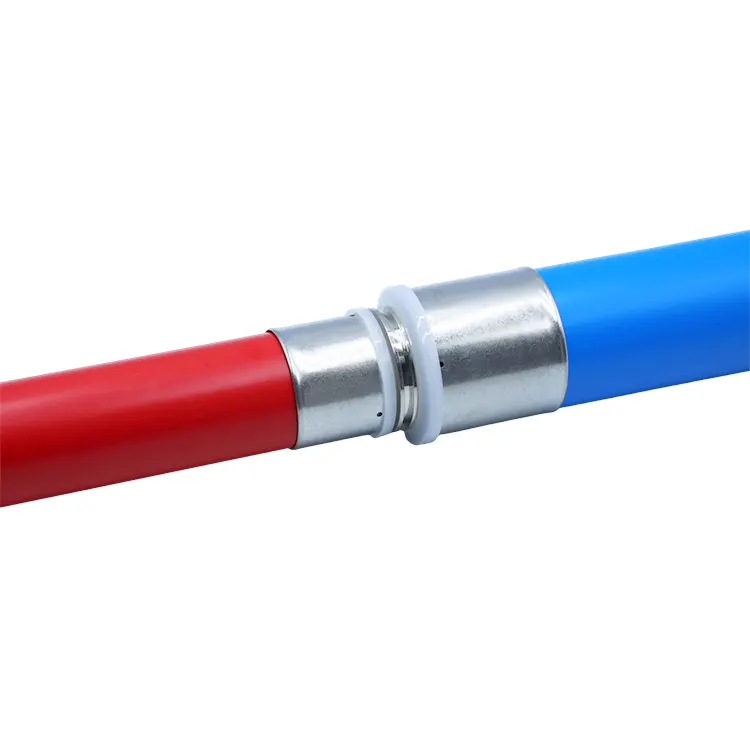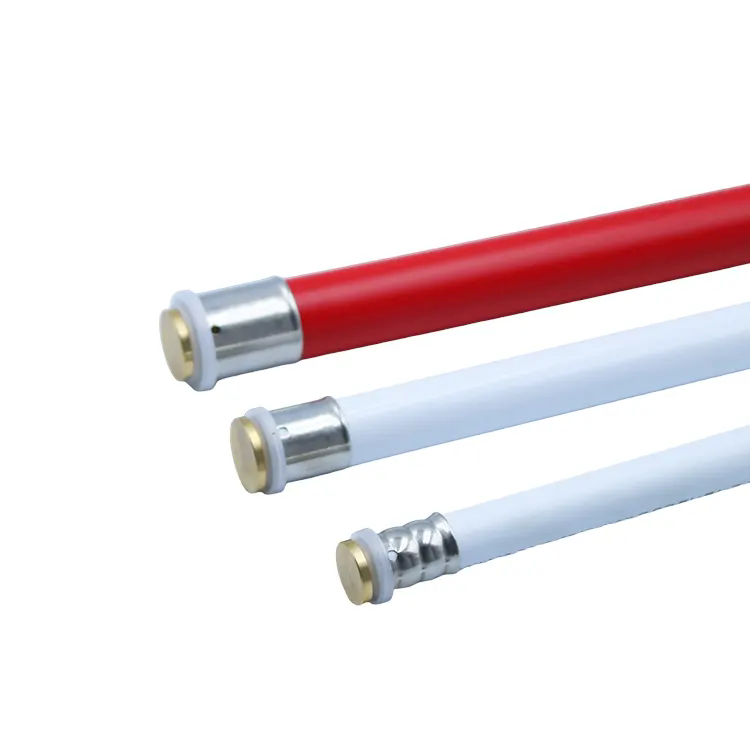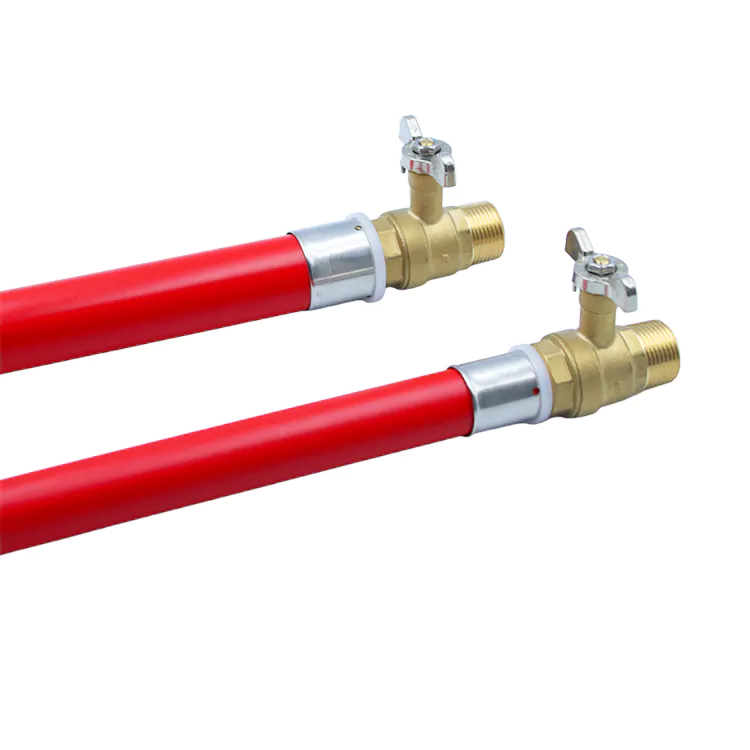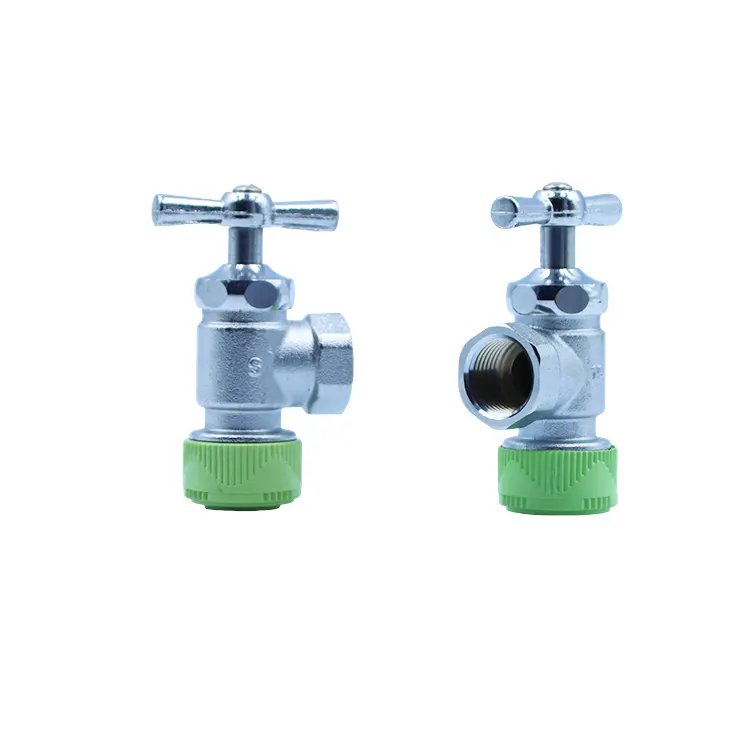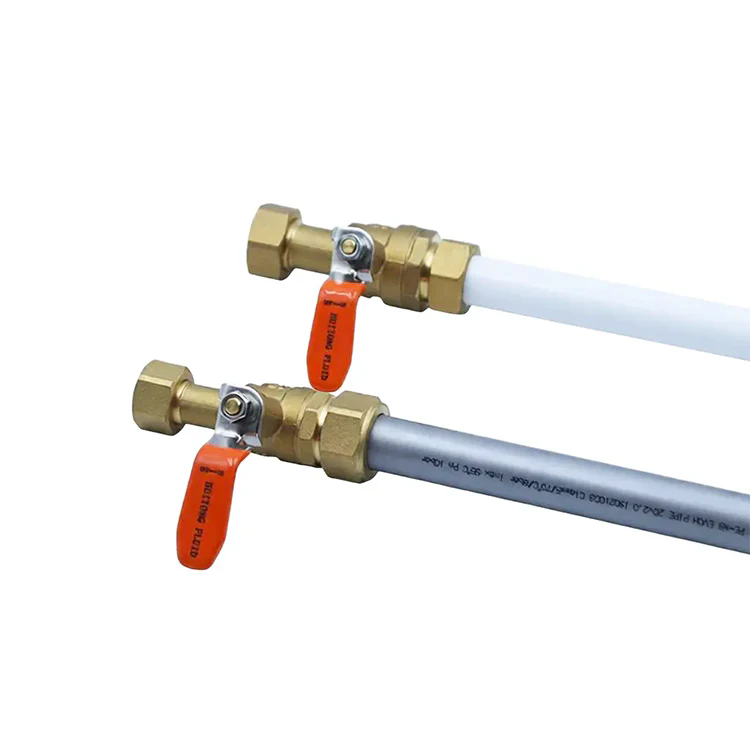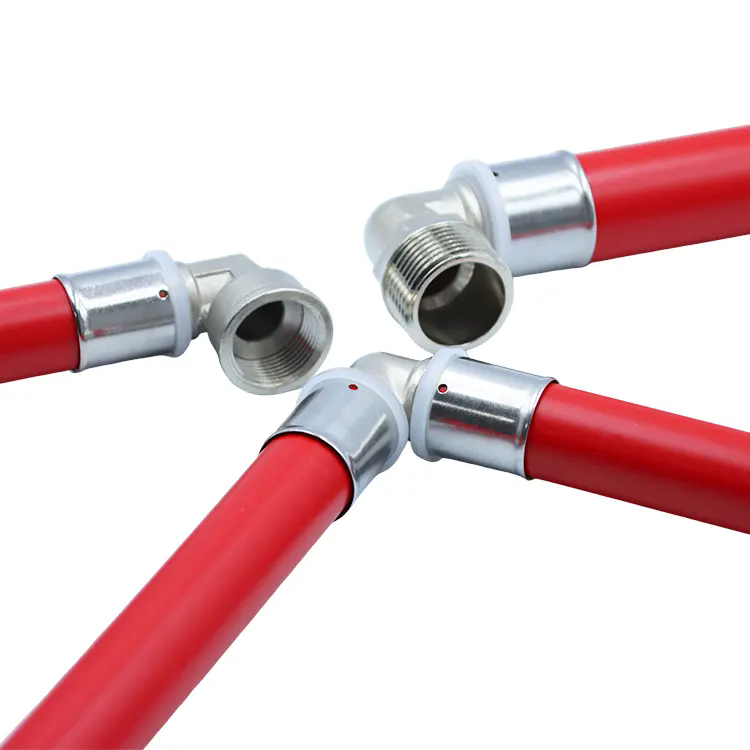


When a piping system requires a secure way to close an open pipe end, the Press-fit Brass Pipe Stop Plug from Huitong provides a practical cold-press solution. Made with DZR brass and designed for solder-free installation, it can seal copper and thin-walled stainless steel pipes for water supply, underfloor heating, HVAC modifications, pressure testing, and other low-pressure fluid applications.
Article Summary: A dependable pipe-end sealing component should provide reliable sealing, suitable material compatibility, efficient installation, and stable performance over time. This guide explains how press-fit stop plugs work, why DZR brass and EPDM sealing matter, where they can be used, how to select and install them, and what buyers should evaluate when sourcing brass pipe fittings.
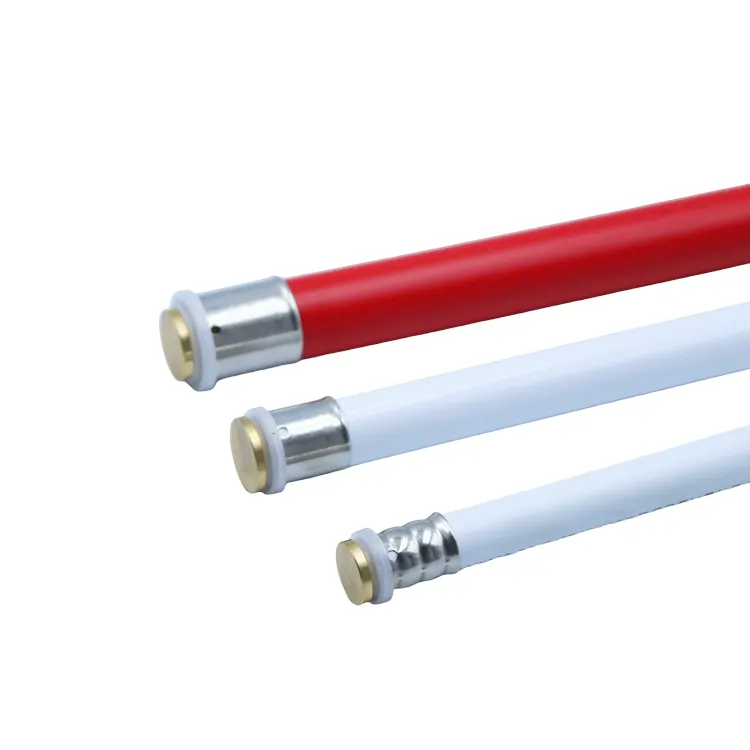
Table of Contents
- What Is a Press-fit Brass Pipe Stop Plug?
- How Does a Press-fit Stop Plug Work?
- What Features Matter Most?
- Where Can It Be Used?
- How Does Press-fit Sealing Compare with Traditional Methods?
- How Should Buyers Select the Right Stop Plug?
- What Are the Key Installation Steps?
- How Can Sealing Performance Be Maintained?
- Frequently Asked Questions
What Is a Press-fit Brass Pipe Stop Plug?
A press-fit pipe stop plug is a specialized fitting designed to close and seal the end of a pipe without relying on conventional threading or hot-work soldering. Instead of creating a threaded connection, the fitting is inserted into the prepared pipe and secured using a dedicated pressing tool.
The brass body provides mechanical strength, while the sealing structure creates the fluid-tight interface between the fitting and pipe. Huitong describes its model as using dezincification-resistant (DZR) brass, precision machining, and a high-strength sealing structure for copper and stainless steel piping applications.
This construction makes the fitting particularly useful when an installer needs to isolate a pipe section, close an unused branch, prepare a system for pressure testing, or permanently terminate a pipe run.
How Does a Press-fit Stop Plug Work?
The operating principle is relatively straightforward: the plug is positioned inside the prepared pipe end, and a press tool applies controlled mechanical force to create a secure connection. The sealing element is compressed against the pipe surface to establish the sealing interface.
Unlike soldering, the installation does not require an open flame or heating process. This cold-press approach can simplify work in occupied buildings, confined technical spaces, renovation projects, and applications where hot work is undesirable.
Key stages of the connection process
- Cut the pipe cleanly to the required length.
- Remove burrs and clean the pipe surface.
- Check the fitting and sealing element for contamination or damage.
- Insert the stop plug to the specified installation position.
- Use the compatible press tool and correct jaw profile.
- Inspect the completed connection before commissioning.
- Perform the required pressure or leak test according to the project specification.
Correct preparation is important because even a high-quality fitting cannot compensate for a damaged pipe end, incorrect insertion depth, contaminated sealing surface, or improperly executed pressing operation.
What Features Matter Most?
When evaluating a brass pipe stop plug, buyers should look beyond the basic shape of the fitting. Material selection, sealing technology, dimensional accuracy, installation method, and application compatibility all influence the final performance of a piping connection.
| Feature | Why It Matters | Typical Benefit |
|---|---|---|
| DZR Brass Body | Improves resistance to dezincification-related corrosion | Supports long-term service in suitable water systems |
| EPDM Sealing Element | Creates the sealing interface between fitting and pipe | Helps reduce leakage when correctly installed |
| Press-fit Structure | Uses mechanical pressing rather than threading or soldering | Fast, solder-free installation |
| Precision Machining | Controls critical fitting dimensions and interfaces | Supports consistent assembly and compatibility |
| Compact End-Sealing Design | Terminates the pipe without requiring an extended threaded assembly | Useful in confined installation areas |
Why does DZR brass matter?
Dezincification is a form of corrosion that can affect certain brass alloys under specific environmental conditions. DZR brass is developed to provide improved resistance to this type of corrosion. For plumbing and fluid-control components, appropriate brass selection can therefore contribute to more durable fitting performance.
Why is the sealing element important?
The sealing element is one of the most critical parts of a press-fit connection. A properly positioned seal works together with the pipe and fitting geometry to prevent fluid from passing through the connection. The actual performance depends on factors such as material compatibility, installation quality, temperature, pressure, and the characteristics of the conveyed medium.
Where Can It Be Used?
A press-fit brass pipe stop plug is most useful in systems where a reliable pipe-end seal is required without performing hot work. Huitong positions this type of fitting for several practical fluid-piping scenarios.
Common application areas include:
- Potable and general water supply: Suitable applications may include closing unused or terminated sections of compatible water piping.
- Underfloor heating: Pipe circuits can require secure end sealing during installation, modification, testing, or system configuration.
- HVAC modification: Renovation projects may require old or redundant pipe sections to be isolated without extensive hot-work procedures.
- Pressure testing: A pipe-end plug can help temporarily close sections of a piping network during controlled testing.
- Low-pressure fluid pipelines: The fitting can be considered where the pipe material, pressure, temperature, and connection specifications are compatible.
Application suitability should always be verified against the fitting's technical documentation, pipe dimensions, system pressure, temperature, fluid medium, and applicable local standards.
How Does Press-fit Sealing Compare with Traditional Methods?
Traditional pipe-end sealing methods can include threaded plugs, soldered caps, or other mechanical closure systems. Press-fit technology provides another installation approach that focuses on cold mechanical assembly.
| Consideration | Press-fit Stop Plug | Threaded Plug | Soldered Closure |
|---|---|---|---|
| Installation Method | Mechanical pressing | Thread engagement | Heat-based joining |
| Hot Work Required | No | No | Yes |
| Installation Speed | Generally fast | Moderate | Dependent on preparation and heating |
| Typical Advantage | Fast, clean installation | Familiar connection method | Established permanent joining technique |
| Key Consideration | Requires compatible press tools | Requires compatible threads and sealing | Requires controlled heating and workmanship |
The comparison does not mean one connection method is universally suitable. Instead, engineers and installers should select the method according to the pipe material, operating conditions, installation environment, applicable standards, and maintenance requirements.
How Should Buyers Select the Right Stop Plug?
For engineering projects and bulk procurement, selecting the correct fitting should begin with technical compatibility rather than price alone. A systematic evaluation can reduce installation problems and simplify inventory management.
1. Confirm pipe material
Determine whether the existing pipeline uses copper, stainless steel, or another compatible material. The fitting should be specifically designed and approved for the intended pipe type.
2. Verify pipe dimensions
Pipe outside diameter and wall characteristics are essential selection parameters. Even small dimensional differences can affect insertion, pressing, and sealing performance.
3. Check operating conditions
Consider working pressure, temperature range, fluid type, and expected service environment before placing an order.
4. Evaluate installation equipment
Confirm that the installation team has access to a compatible press tool and appropriate jaw profile for the selected fitting system.
5. Review quality-control capabilities
For wholesale or project orders, buyers should assess material traceability, dimensional inspection, pressure testing, production consistency, and documentation availability.
Huitong states that its manufacturing operation includes CNC machining and testing equipment, while its product range is based on DZR brass materials. The company also reports ISO 9001 and KC certifications and supports OEM/ODM customization for applicable products.
What Are the Key Installation Steps?
Correct installation is essential to achieving the intended sealing performance of a press-fit connection. While exact procedures should follow the manufacturer's instructions, the following workflow provides a useful general reference.
- Prepare the pipe: Cut the pipe squarely and remove burrs.
- Clean the surface: Remove dirt, metal particles, oil, and other contaminants.
- Inspect the fitting: Check the brass body and sealing element for visible damage.
- Position the plug: Insert the fitting to the specified depth.
- Press the connection: Apply the correct tool and jaw configuration.
- Inspect the joint: Verify that the press operation has been completed correctly.
- Test the system: Conduct the applicable pressure or leak test before putting the pipeline into service.
Installers should never substitute an incompatible tool or assume that excessive pressing force will improve sealing. Following the fitting manufacturer's installation instructions is the safer approach.
How Can Sealing Performance Be Maintained?
Although press-fit fittings are designed for stable service, proper system maintenance remains important. Regular inspection can help identify issues before they develop into larger leakage or operational problems.
- Inspect exposed connections for visible leakage or moisture.
- Protect fittings from unnecessary mechanical impact.
- Keep the surrounding installation area clean where practical.
- Monitor pressure and temperature against the system design limits.
- Investigate abnormal pressure loss or unexplained moisture promptly.
- Use replacement fittings that match the original pipe and connection specifications.
For larger installations, maintenance teams can also maintain records of fitting specifications, installation dates, pressure-test results, and replacement activities. This creates useful traceability for future service work.
Frequently Asked Questions
What is a Press-fit Brass Pipe Stop Plug used for?
It is used to close and seal the end of compatible pipes. Typical applications include water supply, underfloor heating, HVAC modification, pipe-end termination, and controlled pressure-testing applications.
Can a press-fit stop plug be installed without soldering?
Yes. Its cold-press connection method is designed for solder-free installation, provided the pipe, fitting, and press tool are compatible and the manufacturer's installation procedure is followed.
What material is used for Huitong's stop plug?
Huitong describes its Press-fit Brass Pipe Stop Plug as using dezincification-resistant brass, combined with a high-strength sealing structure. The fitting is designed for compatible copper and thin-walled stainless steel pipe applications.
Is the fitting suitable for potable water systems?
It can be considered for potable-water applications when the specific product configuration, sealing material, brass composition, certifications, and local regulatory requirements are all suitable. Buyers should confirm the applicable approval before use.
Can it be used for temporary pressure testing?
Yes, Huitong identifies temporary pressure testing as one of the intended use cases. However, the test pressure and test procedure must remain within the fitting and pipeline system's specified limits.
What should buyers confirm before ordering?
At minimum, confirm pipe material, outside diameter, wall thickness where relevant, operating pressure, temperature, fluid medium, connection standard, required quantity, and installation-tool compatibility. For bulk projects, technical drawings and quality documentation should also be requested where necessary.
Choose a Reliable Pipe-End Sealing Solution
A well-designed pipe stop plug can simplify pipe termination while supporting reliable sealing and efficient installation. The combination of DZR brass construction, precision-machined interfaces, sealing technology, and cold-press installation makes the Press-fit Brass Pipe Stop Plug a practical option for compatible water, heating, HVAC, and low-pressure fluid applications.
For distributors, contractors, system integrators, and engineering buyers, product selection should be based on dimensional compatibility, operating conditions, installation requirements, material quality, and supplier manufacturing capabilities. Huitong provides brass pipe fittings and fluid-control components with factory manufacturing, R&D support, quality-control capabilities, and OEM/ODM options for qualified projects.
Looking for a suitable brass pipe-end sealing solution for your project? Review the Press-fit Brass Pipe Stop Plug specifications, confirm your pipe and application requirements, and contact us for product details, technical support, customization options, and a quotation for your order.