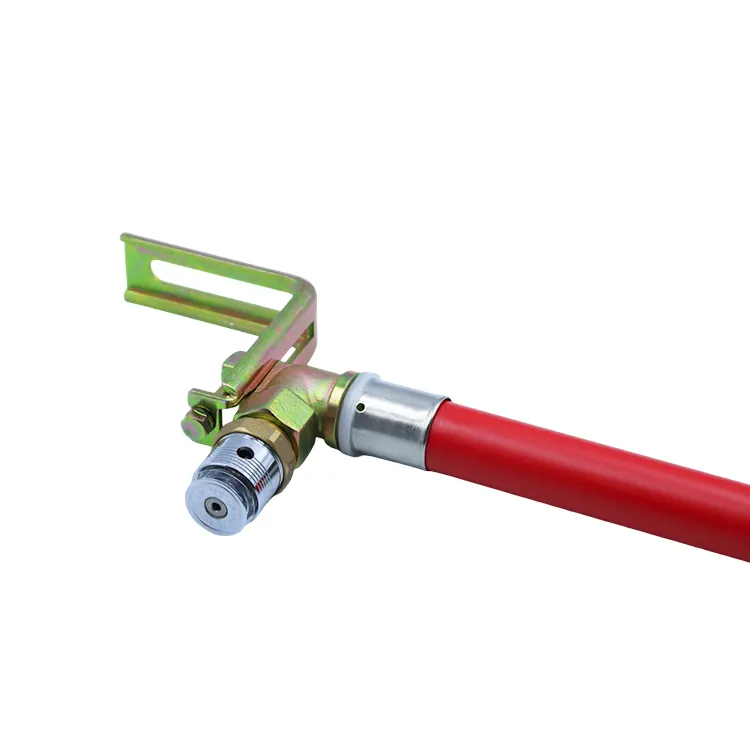
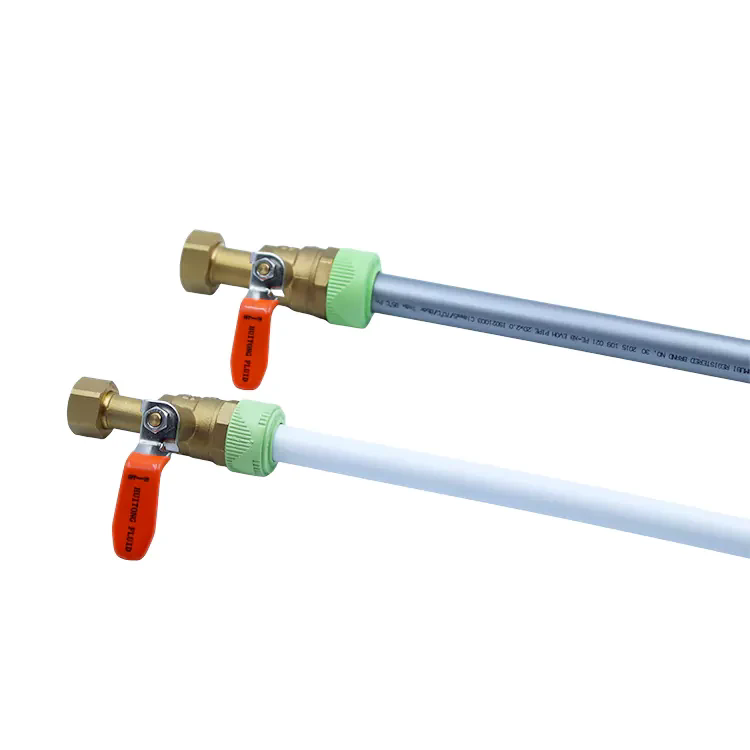
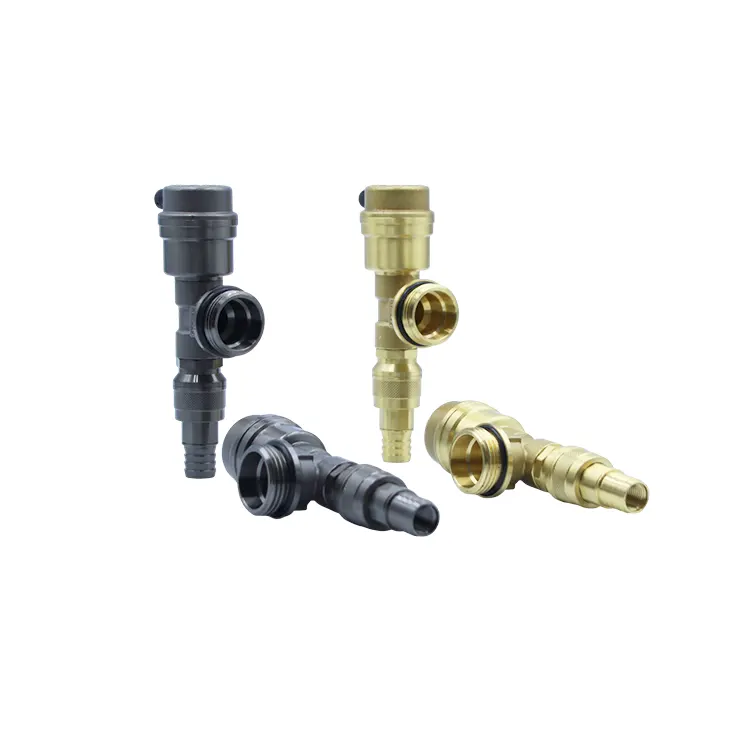
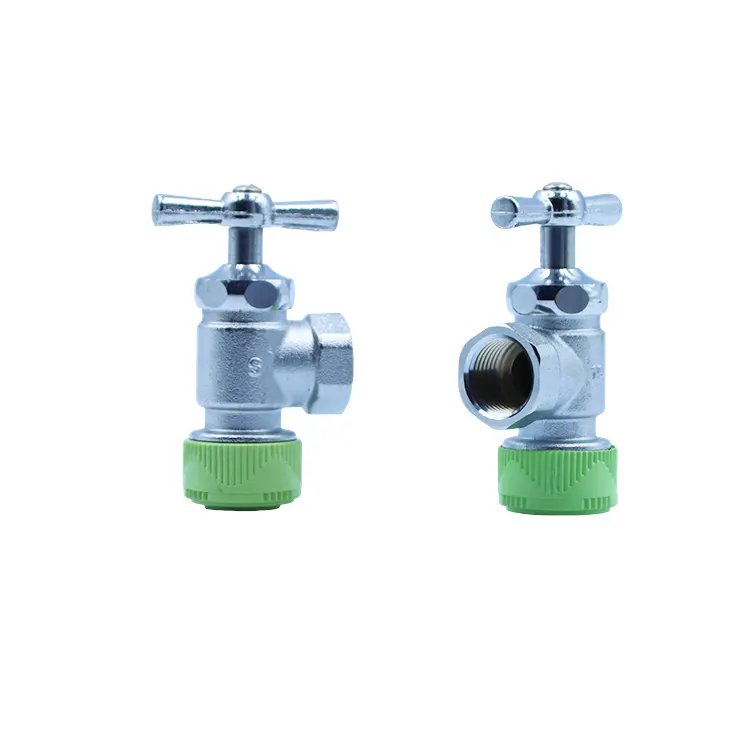
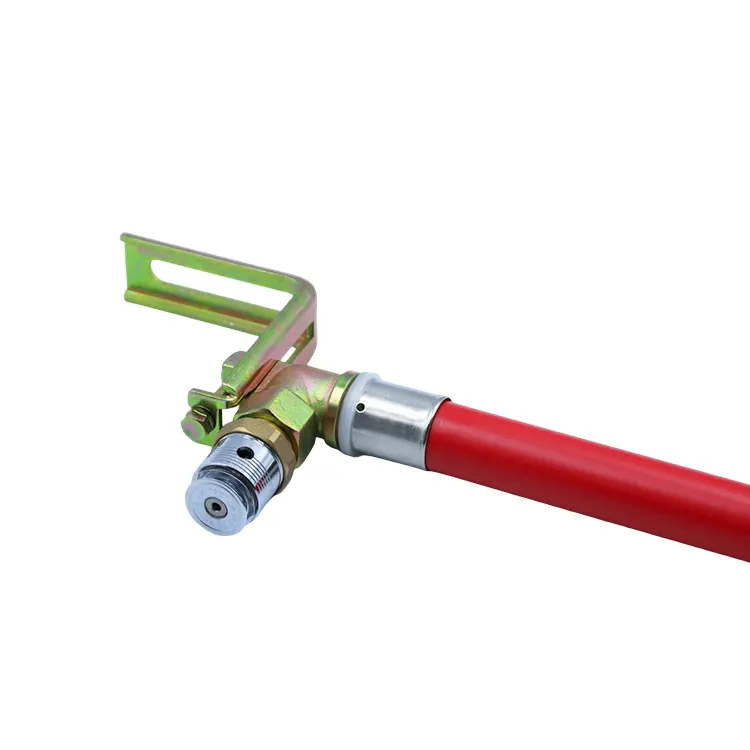
For modern fire protection projects, reliable pipeline support, precise height adjustment, and safe installation are essential to long-term system performance. Huitong, a professional manufacturer of pipeline fluid control products and press-fit fire protection fittings, offers the Press-fit Adjustable Stroke Fire Base to address common installation challenges. Featuring a carbon steel structure, an anti-corrosion surface treatment, a non-welded press-fit connection, and an adjustable support design, this product helps contractors accommodate different site conditions while improving installation flexibility in sprinkler and fire hydrant pipeline projects.
A Press-fit Adjustable Stroke Fire Base is a specialized support component designed to simplify the installation and positioning of fire protection pipelines. Compared with conventional fixed supports that may require additional adjustment work or welding, this solution combines a press-fit connection with an adjustable structure to help installers manage elevation differences and restricted installation spaces. Its carbon steel construction and protective surface treatment support durability in suitable indoor and outdoor environments. This guide explores its working principles, key features, material advantages, applications, selection criteria, installation practices, and maintenance considerations to help fire protection contractors, engineering companies, and distributors make informed purchasing decisions.
1. What Is a Press-fit Adjustable Stroke Fire Base?
2. What Installation Challenges Can It Address?
3. What Are Its Key Product Features?
4. What Are the Technical Specifications?
5. How Does Press-fit Installation Improve Efficiency?
6. Why Is Adjustable Stroke Important?
7. Where Can This Fire Base Be Used?
8. How Should Buyers Select the Right Product?
9. What Are the Installation and Maintenance Requirements?
10. What Quality Factors Should Buyers Evaluate?
11. Frequently Asked Questions
A Press-fit Adjustable Stroke Fire Base is a pipeline support component developed for fire protection installations where secure positioning and practical height adjustment are important. It combines a press-fit connection design with an adjustable support structure, helping installers position pipeline components more conveniently during construction.
Traditional fixed supports may be difficult to adapt when floor levels, ceiling heights, or pipeline routes differ from the original design. Additional brackets, shims, or on-site modifications can increase installation complexity. An adjustable fire base provides greater flexibility when positioning the supported pipework, provided the adjustment remains within the product's specified range.
Huitong's product is manufactured using carbon steel with an electro-coated anti-corrosion treatment. Its design is intended for fire water supply networks, including sprinkler and fire hydrant piping applications. The non-welded connection approach can also help reduce reliance on hot work during installation.
For contractors seeking a practical alternative to certain conventional fixed support arrangements, this component offers a combination of installation convenience, structural support, and positioning flexibility.
Fire protection piping often passes through complex building structures. Installers must coordinate pipeline elevations, structural supports, ceiling clearances, valves, and other mechanical services while maintaining compliance with the approved design.
Several common challenges can complicate this process:
The Press-fit Adjustable Stroke Fire Base is designed to address several of these challenges through its adjustable structure and press-fit connection. Its suitability for a particular project still depends on the pipe material, required support loads, installation configuration, and applicable fire protection requirements.
The product uses carbon steel to provide a structural base for supporting compatible fire protection pipeline arrangements. Proper material selection and manufacturing quality are important because supports may be exposed to the weight of water-filled pipes, connected components, and other loads specified by the engineering design.
The electro-coated anti-corrosion treatment helps protect the metal surface against rust and environmental exposure. This feature is particularly relevant in suitable basement, garage, and other humid installation environments. Actual corrosion resistance depends on coating quality, environmental conditions, and maintenance practices.
The press-fit connection is designed to simplify assembly without requiring welding at the connection point. When installed with compatible pipes and the specified pressing tools, the connection method can help improve installation consistency and reduce hot-work requirements.
The adjustable stroke design allows installers to position the support within its specified adjustment range. This flexibility can help accommodate differences in installation height and certain space constraints without automatically requiring extensive changes to the surrounding pipeline layout.
The integrated construction is intended to reduce reliance on separate welded joints within the base assembly. A well-designed structure can simplify installation and reduce potential weak points, although the finished assembly must still be evaluated against the required load and service conditions.
Before ordering a Press-fit Adjustable Stroke Fire Base, buyers should verify the available sizes, pipe compatibility, material details, adjustment range, and installation dimensions. The following table summarizes the product information published by Huitong.
| Specification Item | Published Product Information | Purchasing Consideration |
|---|---|---|
| Product name | Press-fit Adjustable Stroke Fire Base | Confirm the exact model required for the project. |
| Listed size range | 16 mm, 20 mm, 25 mm, 32 mm, 40 mm, 50 mm, and 63 mm size designations | Verify the available configuration for the selected size. |
| Main structural material | Carbon steel | Check material documentation and required load performance. |
| Surface treatment | Electro-coated anti-corrosion finish | Confirm suitability for the actual installation environment. |
| Connection method | Press-fit, non-welded connection | Confirm pipe compatibility and required pressing tools. |
| Adjustment function | Adjustable support stroke and positioning | Request the usable adjustment range and installation drawing. |
| Typical application | Fire sprinkler and fire hydrant pipeline networks | Verify approval for the intended system and project specification. |
Important specification note: The manufacturer's published table contains incomplete dimensional information for several sizes. Do not assume that all sizes share the same dimensions, adjustment range, or load capacity. Request the current technical drawing and model-specific data before finalizing the design or purchase order.
Installation efficiency depends on connection design, working conditions, installer experience, and the tools required. A press-fit connection can offer practical advantages over certain conventional joining methods, particularly when welding is restricted or difficult to arrange.
Because the connection is designed for pressing rather than welding, installation can reduce the need for open-flame work at the joint. This may simplify coordination in occupied buildings, finished interiors, and restricted mechanical spaces. Standard site safety procedures and applicable hot-work rules must still be followed for other activities.
Using the specified pressing tool and installation procedure helps make assembly less dependent on manual welding technique. Correct preparation, alignment, tool selection, and inspection remain essential to achieving a reliable connection.
For projects involving many support locations, a repeatable installation method can help reduce setup and joining time. The actual savings depend on the project layout, labor rates, quantity, and site conditions. Buyers should evaluate total installed cost rather than comparing product prices alone.
For related components, buyers can explore Huitong's fire protection pipe fittings and fluid control product range when planning compatible pipeline assemblies.
Adjustability helps installers respond to real construction conditions without making unnecessary changes to the surrounding pipework. This is especially useful when different trades share a limited installation area.
Adjustability should never be treated as permission to alter an approved fire protection design without review. The support must remain within the manufacturer's limits, and all final positions must satisfy the project's structural, clearance, and fire safety requirements.
Office buildings, shopping centers, hotels, and other commercial facilities often contain extensive sprinkler networks above suspended ceilings. An adjustable support may help installers coordinate pipeline elevations while working around ducts, cable trays, and other building services.
Apartment buildings and residential complexes require coordinated fire protection systems across multiple floors. A consistent support solution can help standardize installation practices, provided the selected product is compatible with the approved pipework and local requirements.
Basement environments may experience elevated humidity and limited working space. The product's protective surface treatment is intended to help resist corrosion in suitable conditions. Regular inspection remains necessary, especially where condensation, water ingress, or coating damage may occur.
Factories and storage facilities may have extensive fire water piping that must be coordinated with equipment, structural members, and operational access routes. The adjustable support concept can be useful when approved for the loads and conditions involved.
In every application, the fire protection engineer or responsible contractor should confirm the support arrangement, load requirements, pipe compatibility, and applicable installation standards before use.
Choosing a Press-fit Adjustable Stroke Fire Base involves more than selecting a nominal pipe size. Procurement teams should review the complete installation requirements to ensure the product suits the intended system.
For distributors and contractors purchasing in volume, early technical confirmation can reduce the risk of incorrect sizing, delivery delays, and unnecessary site modifications.
Correct installation is essential to the performance of any fire protection support component. The following practices provide a general checklist; the manufacturer's current instructions and the approved project documents take precedence.
A support component is only one part of a complete fire protection installation. Passing a component-level inspection does not, by itself, demonstrate that the entire pipeline system meets all fire safety requirements.
Consistent quality is important for fire protection components because dimensional variation, coating defects, or unsuitable connections can create installation and service problems. Buyers should evaluate both product manufacturing and the evidence provided to support performance claims.
| Quality Factor | What to Verify | Why It Matters |
|---|---|---|
| Material quality | Material specifications and traceability documents | Supports evaluation of structural suitability and consistency. |
| Dimensional accuracy | Current drawings and inspection measurements | Helps ensure correct installation and fit. |
| Connection integrity | Relevant assembly and sealing test records | Helps assess connection reliability under specified conditions. |
| Corrosion protection | Coating specifications and applicable test reports | Helps establish suitability for the installation environment. |
| Load performance | Rated capacity and supporting test documentation | Helps verify suitability for the engineered support loads. |
| Compliance documentation | Applicable certificates and project acceptance records | Supports procurement review and regulatory requirements. |
Huitong's product information describes quality checks covering load-bearing performance, connection sealing, and corrosion resistance. Buyers should request the relevant current reports and confirm their scope, test conditions, and applicability to the specific model being purchased.
For international projects, documentation should also be reviewed against the destination market's requirements. A manufacturer's general quality statement should not be interpreted as automatic approval for every fire protection system or jurisdiction.
A: Its primary advantage is the combination of a non-welded press-fit connection and an adjustable support structure. This design can simplify installation, help accommodate suitable elevation differences, and reduce reliance on hot-work operations at the connection point.
A: Huitong identifies sprinkler and fire hydrant pipeline networks as intended applications. Before selection, confirm the specific model's pipe compatibility, support capacity, installation requirements, and acceptance under the project's applicable fire protection standards.
A: The published product information specifies carbon steel with an electro-coated anti-corrosion surface treatment. Buyers should request the detailed material and coating specifications when project requirements call for particular grades or corrosion performance.
A: No. It eliminates the need for welding at the relevant press-fit connection when installed as intended, potentially reducing hot-work risks. Other construction activities may still involve ignition hazards, so site safety procedures remain necessary.
A: The product features an adjustable stroke structure intended to provide positioning flexibility. Whether adjustment is permitted after installation depends on the design, locking mechanism, loading condition, and manufacturer's instructions. Never loosen a loaded support without an approved procedure.
A: Compare the pipe dimensions and connection requirements with the manufacturer's current technical drawings. Ask for model-specific dimensions, the usable adjustment range, rated load, and compatible pipe specifications rather than relying solely on a nominal size designation.
A: No coating makes a component universally corrosion-proof. Electro-coating is intended to improve corrosion resistance, but actual service life depends on coating integrity, moisture, chemical exposure, and maintenance. Additional protection may be necessary in aggressive environments.
A: Provide the required sizes, quantities, pipe material, project application, adjustment requirements, installation environment, destination market, and any technical or certification requirements. These details help the manufacturer evaluate compatibility and prepare a more accurate quotation.
The Press-fit Adjustable Stroke Fire Base offers a practical support solution for fire protection pipeline projects that require installation flexibility, non-welded connections, and corrosion-conscious material selection. Its carbon steel construction, electro-coated finish, press-fit connection, and adjustable design can help contractors address common challenges associated with elevation differences, confined spaces, and installation efficiency. The best results depend on correct product selection, compatible piping, suitable structural mounting, proper installation tools, and compliance with the approved fire protection design. For contractors, distributors, and engineering procurement teams, verifying technical specifications and supporting documentation before ordering is an important step toward a reliable installation.
Looking for a dependable supplier for your next fire protection piping project? Huitong provides pipeline fluid control products and press-fit fire protection fittings for professional buyers. Visit the Press-fit Adjustable Stroke Fire Base product page to review the available product information, discuss your application requirements, and request technical details. Whether you are sourcing components for a commercial building, industrial facility, or large-scale fire protection project, contact us to discuss specifications, bulk purchasing, and a suitable supply solution for your project.