A boiler system requires reliable control components to maintain safe operation, stable temperature regulation, and long-term efficiency. Among these components, a Boiler Brass Ball Valve plays an important role in controlling water flow, isolating system sections, and supporting convenient maintenance. Choosing the right valve can directly influence heating system reliability, energy consumption, and operational safety.
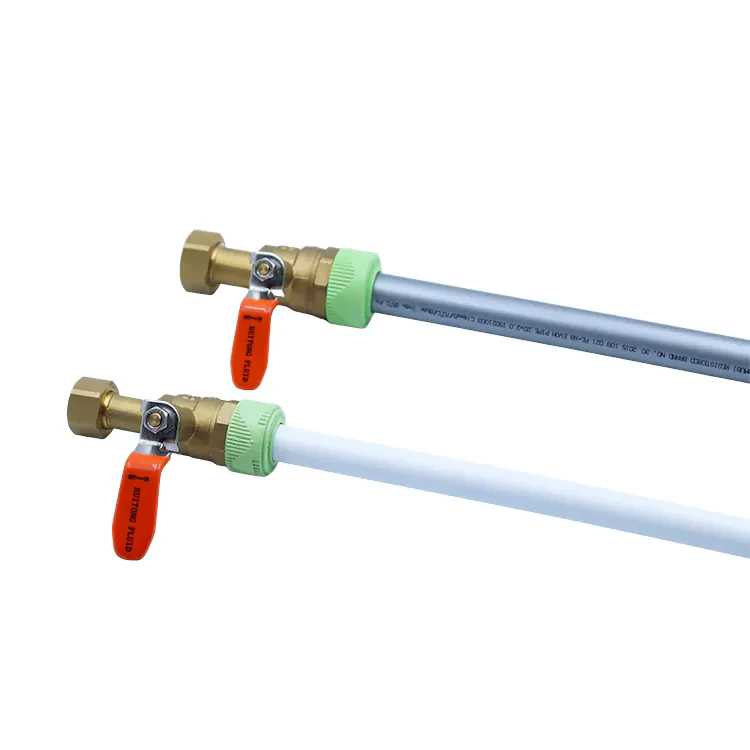
This article explains how a Boiler Brass Ball Valve works, why it is widely used in heating applications, what problems it solves for users, and how to select a suitable valve for different boiler systems. With professional manufacturing experience, Huitong provides dependable fluid control solutions designed to meet the practical needs of industrial and commercial applications.
A boiler system contains multiple pipelines responsible for transporting hot water, heating fluids, or other media. Without effective flow control, the system may experience unstable pressure, inefficient heating performance, or difficulties during repair and inspection.
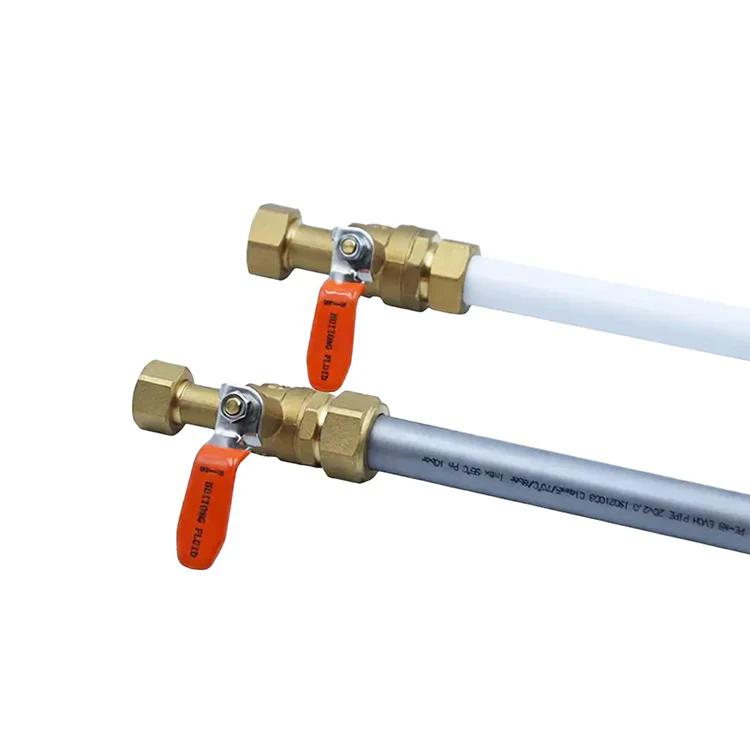
A Boiler Brass Ball Valve is a shut-off device designed to regulate the movement of fluid through pipelines. It uses a rotating ball mechanism with a central opening that allows users to quickly start or stop flow. Compared with traditional valve designs, ball valves provide faster operation, better sealing performance, and lower flow resistance.
In modern heating systems, users often need components that can operate reliably under high temperatures and frequent use. A properly designed brass ball valve helps maintain system stability while reducing maintenance requirements.
The operating principle of a Boiler Brass Ball Valve is simple but highly effective. Inside the valve body, a precision-machined ball contains a bore passage. When the handle is turned, the ball rotates to align the passage with the pipeline or block the flow completely.
When the valve handle is parallel to the pipe direction, the valve is open and fluid can pass through. When the handle is turned 90 degrees, the ball blocks the passage and stops fluid movement.
This quarter-turn operation provides several advantages:
For boiler systems, quick response is especially important. During maintenance or system adjustment, operators can isolate specific pipeline sections without shutting down the entire heating network.
Material selection directly affects valve durability and performance. Brass has become one of the most popular materials for boiler ball valves because it combines strength, corrosion resistance, and excellent machining characteristics.
Huitong uses quality materials and manufacturing processes to create fluid control products that meet practical application requirements. Brass construction allows valves to maintain stable performance in demanding heating environments.
Many boiler system problems are related to poor flow management, difficult maintenance, or unreliable shut-off components. A high-quality Boiler Brass Ball Valve helps solve these challenges effectively.
Selecting the correct valve is essential for ensuring safe and efficient boiler operation. Different heating systems may require different connection types, pressure ratings, and operating conditions.
Boiler Brass Ball Valves are widely used in different heating and fluid control environments because of their flexibility and reliability.
Whether used in small residential installations or larger industrial systems, the valve provides convenient flow control and supports efficient system management.
Although Boiler Brass Ball Valves are designed for durability, proper maintenance helps maximize their working life and maintain reliable operation.
Regular inspection not only extends valve lifespan but also helps prevent unexpected heating system failures.
A Boiler Brass Ball Valve is mainly used to control and shut off fluid flow in boiler and heating systems. It helps operators manage pipelines, perform maintenance, and improve system safety.
Brass offers excellent corrosion resistance, mechanical strength, and durability, making it suitable for hot water circulation and boiler environments.
The service life depends on operating conditions, installation quality, and maintenance practices. A high-quality valve used within its rated specifications can provide reliable long-term performance.
The correct size depends on pipeline diameter, required flow rate, pressure conditions, and the specific boiler system design.
Huitong focuses on producing reliable fluid control components with attention to material quality, manufacturing precision, and application requirements. The company provides solutions designed to support stable and efficient pipeline operation.
A Boiler Brass Ball Valve is a small but essential component that plays a major role in heating system performance. By providing fast shut-off control, reliable sealing, and durable operation, it helps users improve safety, reduce maintenance difficulties, and maintain efficient fluid management.
Choosing a trusted manufacturer is important when reliability and long service life are required. Huitong provides professionally manufactured valve solutions designed for various boiler and fluid control applications. For more information about high-quality Boiler Brass Ball Valve products and customized solutions, please contact us today and let Huitong support your next fluid control project.